Prevention tips for liver health every poultry producer should know
A bird's liver is a powerhouse organ, handling everything from digesting feed to filtering out toxins.
Fatty Liver Haemorrhagic Syndrome (FLHS) is a quiet but dangerous issue for laying hens. It can cause sudden bird loss and take a real toll on your overall egg production.
Below, we will cover the basics: what triggers Fatty Liver Disease, the warning signs to watch for in your flock, and—most importantly—how to keep it out of your barn.
Causes of Fatty Liver Hemorrhagic Syndrome
Liver problems in poultry can stem from a few different things, including bad nutrition, toxins, or infections. Specific diseases—like fowl cholera, avian hepatitis, and Marek’s disease—can do direct damage to the organ.
However, Fatty Liver Haemorrhagic Syndrome (FLHS) isn't something your birds catch from a bacteria or virus. It is a metabolic issue. The hen's liver simply packs away too much fat, making it soft and prone to bleeding.
This condition is usually triggered by one or a mix of the following management factors:
- Birds not getting enough exercise
- Rations that are too high in carbohydrates
- Hormone shifts
- Heat stress or poor barn ventilation
When a hen's liver gets overloaded with fat, it swells up, turns pale, and can easily rupture, which leads to fatal internal bleeding.
Symptoms of Fatty Liver Hemorrhagic Syndrome
FLHS doesn't typically give you much of a heads-up before it strikes. Even so, there are a few quiet warning signs to keep an eye out for in your flock:
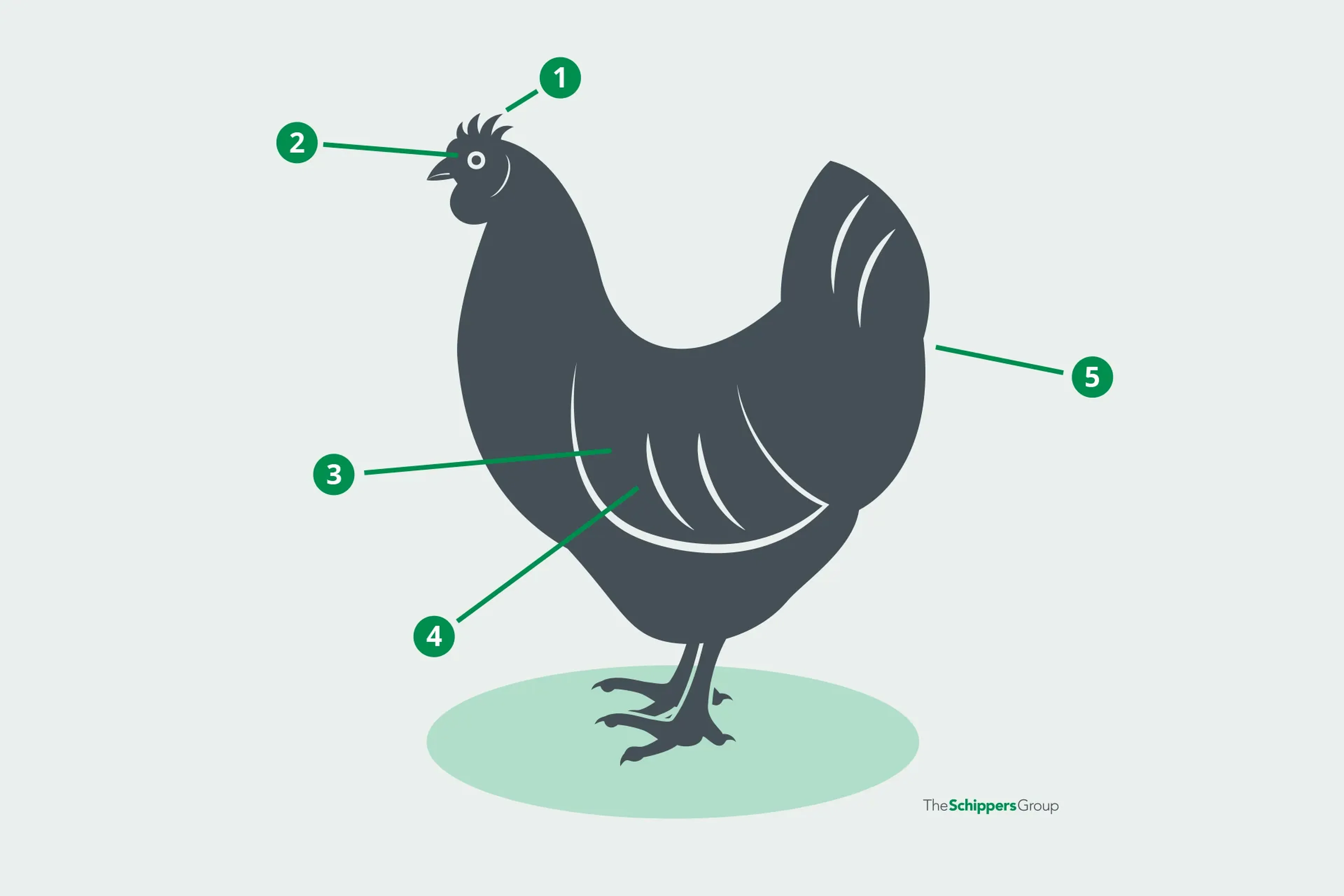
- Pale comb and wattles
- Deep-set eyes
- Lethargy or reluctance to move
- Increase in body weight
- Slight drop in egg production
Prevention and control of Fatty Liver Disease
Provide balanced nutrition
Formulate diets that meet the specific nutritional requirements of the flock. Avoid high-carb, low-fiber rations.
Support liver health
Livers need ongoing support—especially during peak production. That’s where MS Flexfeed Hepa comes in. This feed supplement helps prevent fat buildup and supports detoxification.