Herd Health: Mastering Lameness in Dairy Farming
Fast Facts: Lameness ranks among the most frequent health challenges on Canadian dairy operations, costing producers an estimated $400 to $500 CAD per clinical case in lost milk yield and treatment. Around 90% of mobility problems originate in the hooves and stem from interconnected factors, including stall comfort, ration balance, and alleyway hygiene. Proactive locomotion scoring, routine hoof trimming, and clean barn management are essential for safeguarding cow comfort and farm profitability.

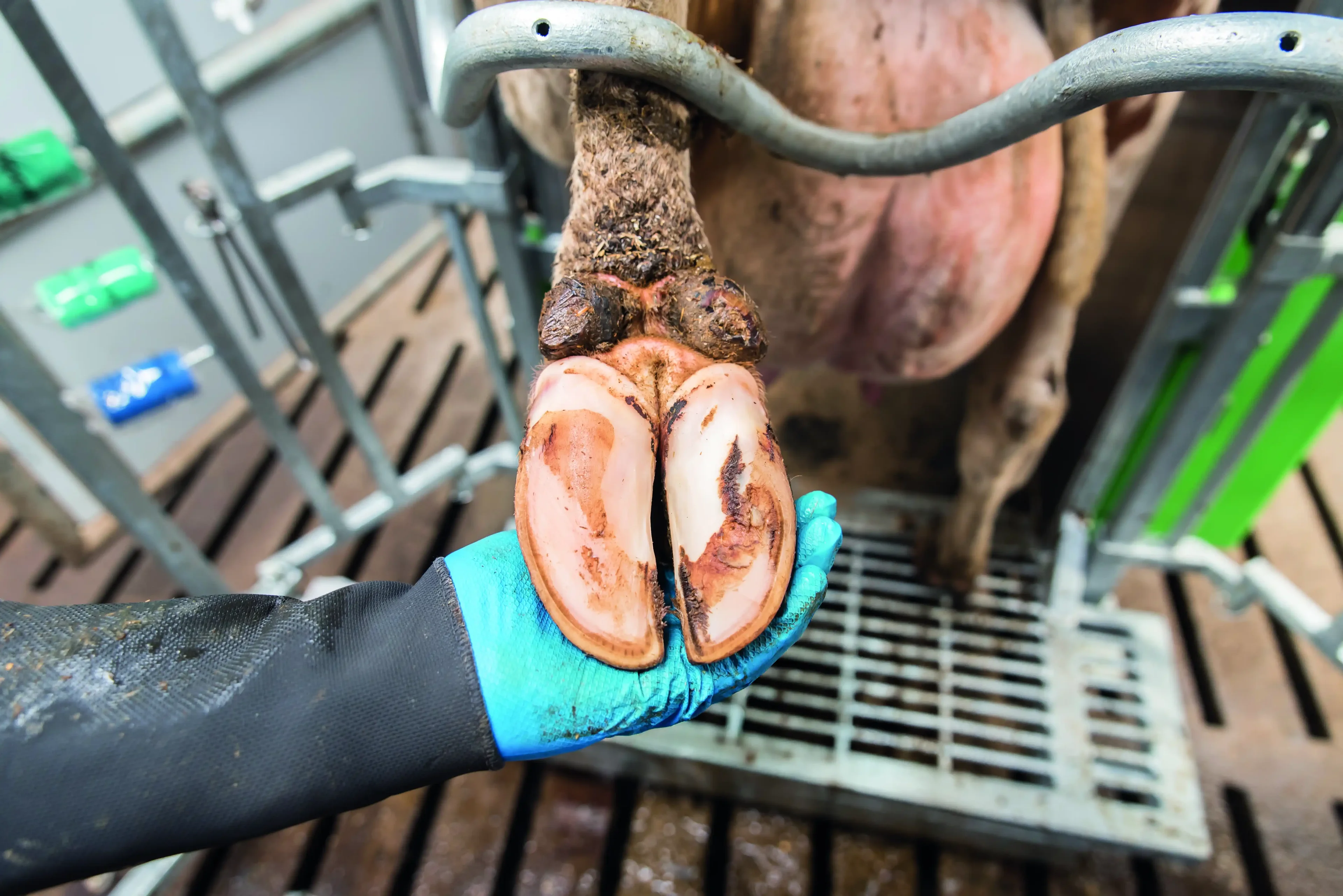
Pinpointing the 5 Primary Hoof Lesions
Accurate lesion identification is essential for selecting the correct treatment protocol:
Sole Ulcers & Subclinical Laminitis
A non-contagious condition frequently linked to subacute ruminal acidosis (SARA) or excess standing time on hard concrete.Digital Dermatitis
A highly infectious, painful bacterial skin lesion characterized by a distinct foul smell and a vibrant red, strawberry-like appearance.Interdigital Dermatitis & Heel Horn Erosion
A bacterial infection caused by continuous wet manure exposure, often creating deep, dark, V-shaped fissures in the heel horn.Foot Rot (Interdigital Phlegmon)
A severe, rapid-onset bacterial infection causing symmetrical swelling of the entire foot, usually demanding prompt antibiotic or veterinary care.Sole Abscesses
A painful, traumatic defect where pus and pressure build up beneath the sole horn, often following bruising or white line failure.Root Causes: What Triggers Lameness in Your Herd?
Lameness rarely occurs by chance; it stems from an imbalance within the Animal / Housing / Management triad.
Mechanical and Traumatic Causes:
- Inadequate Flooring: Excessively coarse concrete causes rapid sole wear, whereas slick floors result in slips and injury during pushing or crowding in holding areas and alleys.
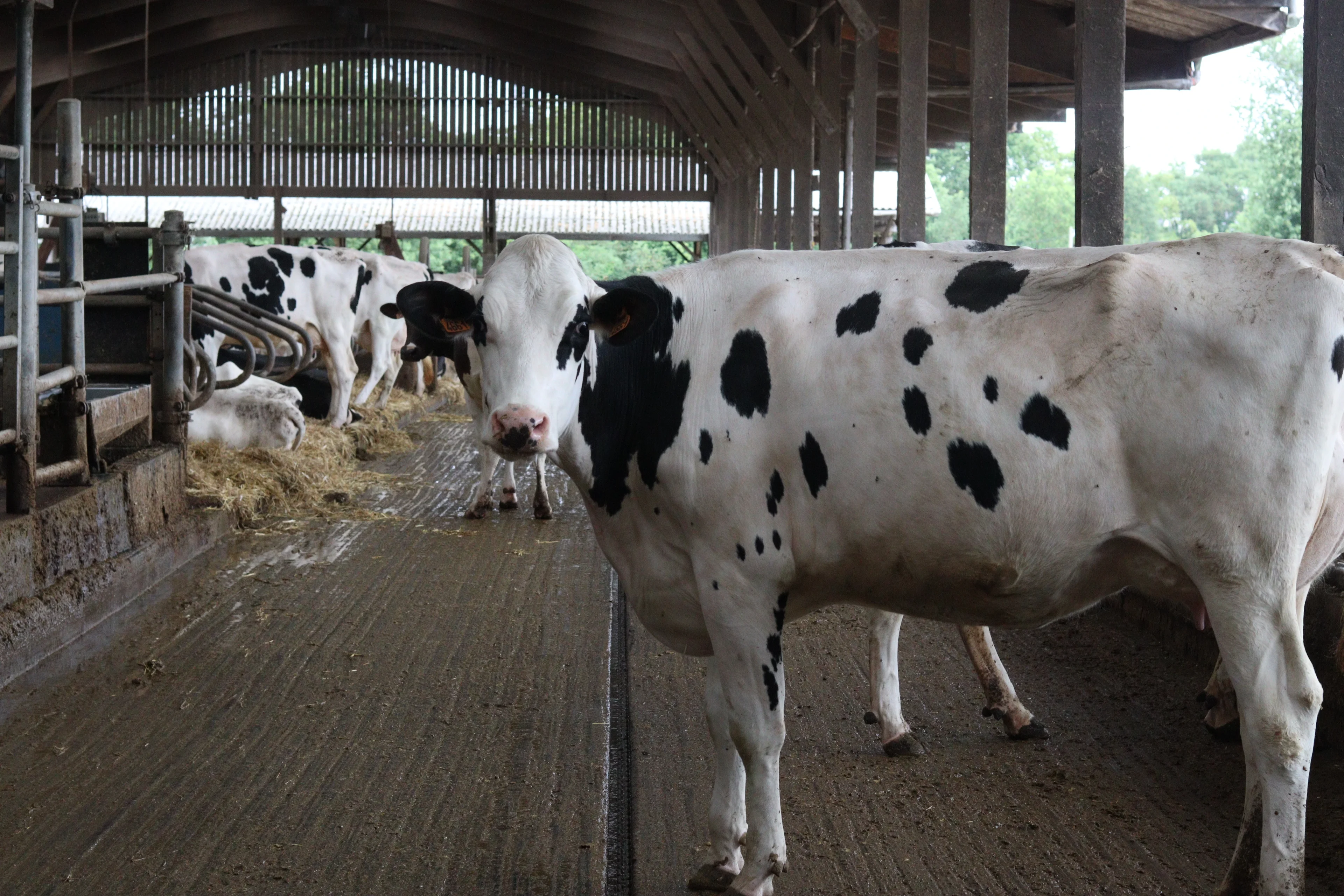
- Prolonged Standing: Cows standing on hard surfaces for more than 90 minutes per day (prolonged parlor wait times, stall overcrowding) compress internal tissue, compromising healthy hoof horn formation.
- Energy Deficit: Rapid body condition loss during early lactation thins the heel's digital fat pad, allowing the pedal bone to compress underlying soft tissues.
Metabolic Causes: Diets high in fermentable starches or deficient in effective fiber lead to subacute ruminal acidosis (SARA), severely impairing capillary blood flow to the foot (Laminitis).

Why the pathology spreads
Environmental and flooring influence
Flooring type directly impacts overall foot health. On overly soft rubber mats or deep-bedded pack systems without proper maintenance, natural hoof horn wear is minimal, often leading to poor foot angle and posture. Conversely, access to rocky pastures or coarse concrete tracks subjects the claws to mechanical stress and traumatic bruising.Structural and comfort deficiencies
Suboptimal barn layout and overcrowding force cows into extended standing periods. This issue commonly arises when holding times at automated milking systems (robots) or parlors are excessive, or when stall availability and feed bunk space fall short of herd size.Energy Balance & Transition Stress
The transition (peripartum) period presents severe nutritional demands. A sharp energy deficit following calving causes the protective digital fat cushion to thin while increasing circulating ketone bodies. This metabolic strain degrades structural tissue resilience within the foot.Metabolic Impairment & Acidosis
Rations low in physically effective NDF cause rumen pH to drop, leading to subacute ruminal acidosis (SARA). Acidic conditions damage the rumen lining and release endotoxins into circulation. These systemic vascular changes impair foot tissue microcirculation, ultimately triggering severe inflammation like laminitis.What steps should be put in place?
Management and Hoof Trimming
Perform preventive trimming twice annually to re-establish correct weight distribution across the claws, and utilize footbaths as a core strategy for herd-wide infection control. Ensure the footbath solution is deep enough to submerge all four feet up to the dewclaws.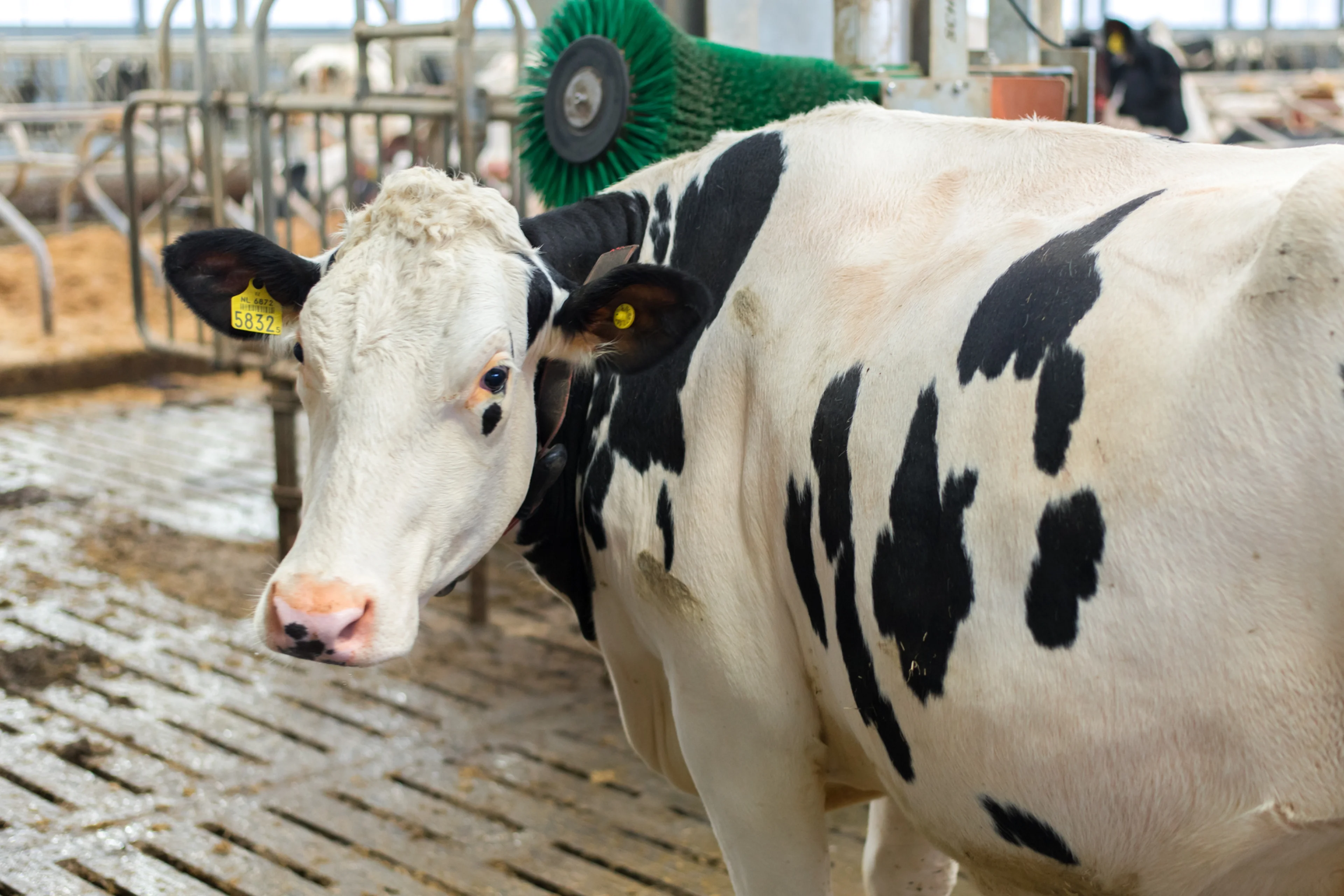
Hygiene and Housing
Control moisture levels through proper barn ventilation and frequent alley scraping (up to 10 times daily) to interrupt the bacterial life cycle. For resting comfort, properly dimensioned stalls and deep-bedded cubicles motivate cows to lie down longer, taking crucial pressure off the feet.
Nutritional Balance
Trace Mineral & Immunity Support: Fortifying rations with organic Zinc, Selenium, and Vitamin E reinforces the skin's physical barrier and optimizes hoof keratin integrity.