How to spot and stop Ascaridia galli (roundworms) in chickens
Ascaridia galli is a common intestinal roundworm found in poultry. If left unchecked, it can cause poor growth, a noticeable drop in egg production, and general health issues throughout your flock.
Understanding how this parasite spreads and the steps you can take to prevent it will go a long way in keeping your poultry operation healthy and efficient.

Cause of Ascaridia galli (roundworms)
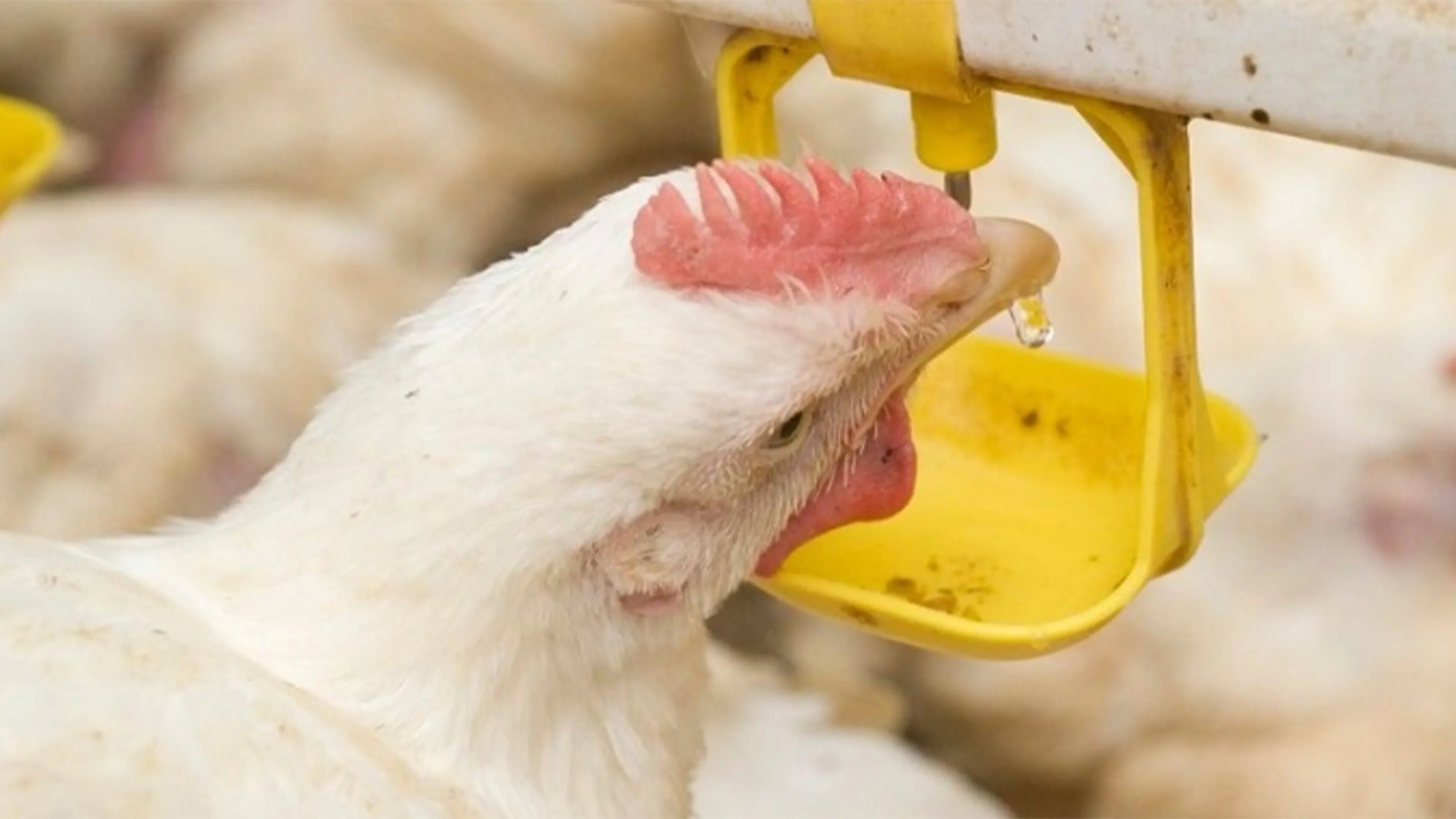
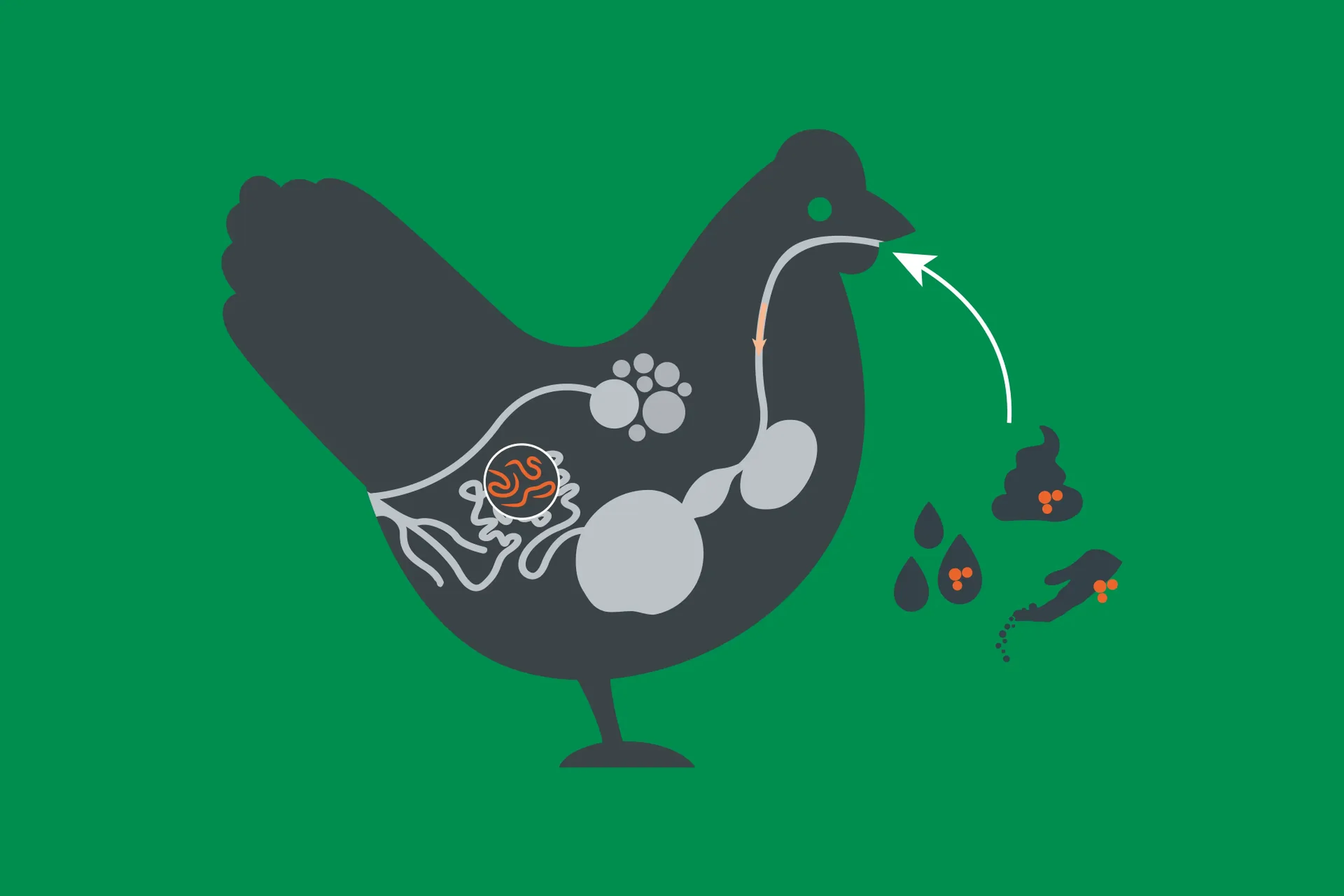
Ascaridia galli is a parasitic roundworm that sets up shop in the intestines of your chickens. These worms hatch from microscopic eggs passed in the droppings of infected birds. The eggs can survive in the litter, dirt, or on barn equipment. Healthy birds easily pick up the infection by eating contaminated feed, drinking dirty water, or simply pecking around in soiled bedding.
Once inside the bird, the worms mature in the gut and start causing real issues, including stunted growth, weight loss, and a noticeable drop in egg production. Young birds and flocks kept in crowded or dirty barns are at the highest risk.
How Ascaridia galli Spreads
Ascaridia galli spreads easily and is difficult to recognize.
- Ingesting eggs: Birds pick up microscopic worm eggs from contaminated feed, water, or soiled litter.
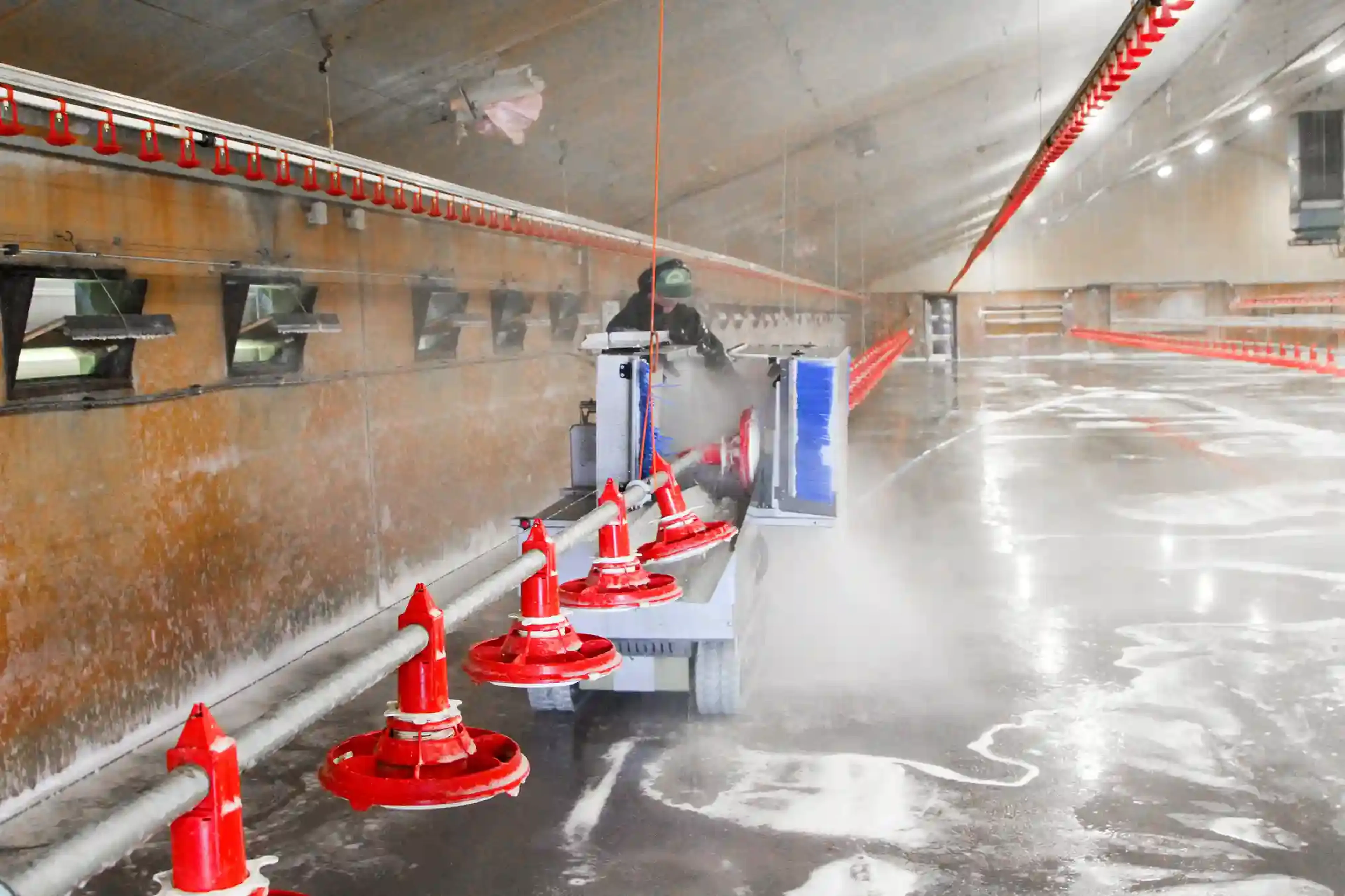
- Poor barn hygiene: Skipping a thorough clean and disinfection leaves eggs behind.
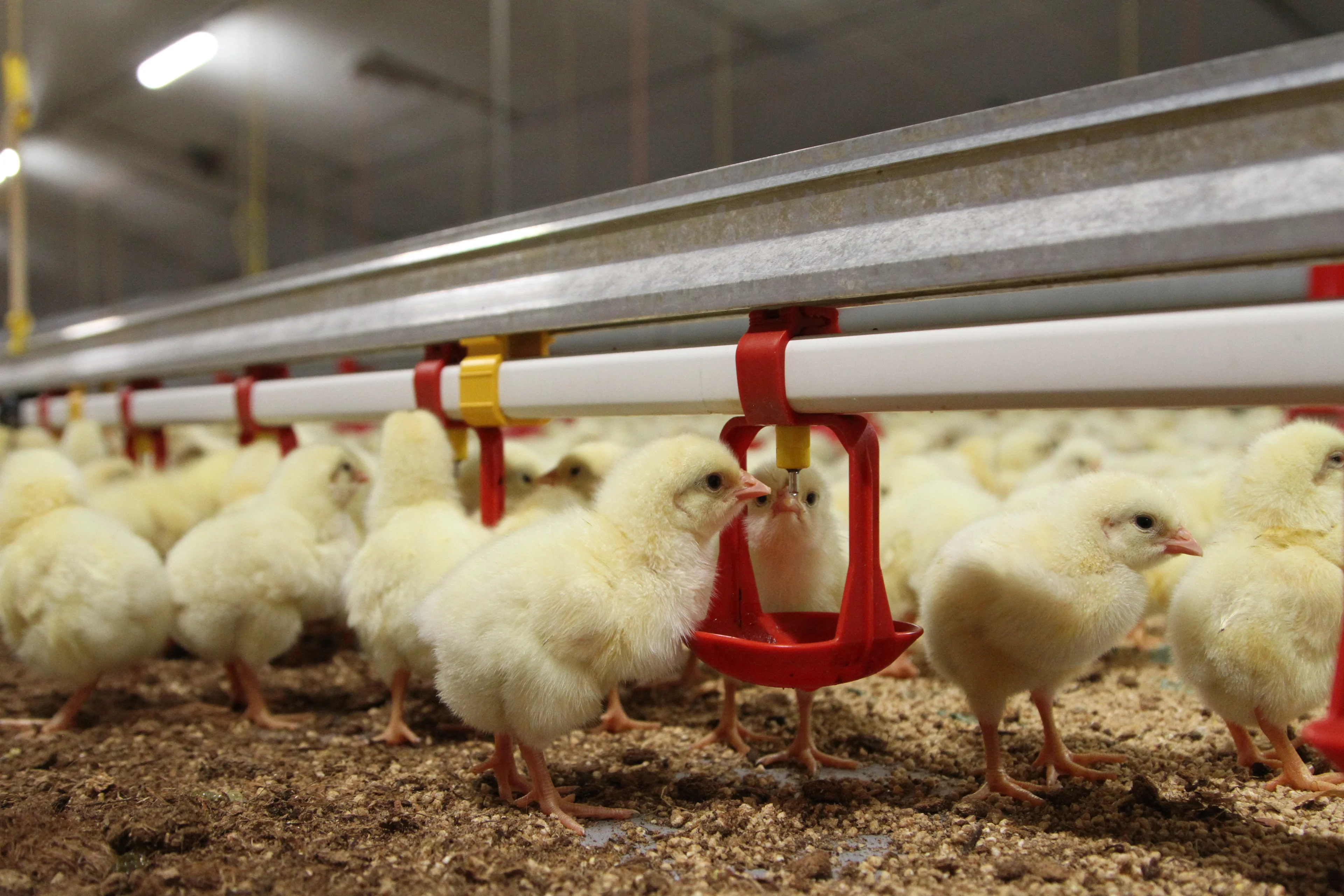
- Overcrowding: High bird density increases the chances of birds coming into contact with infected droppings.
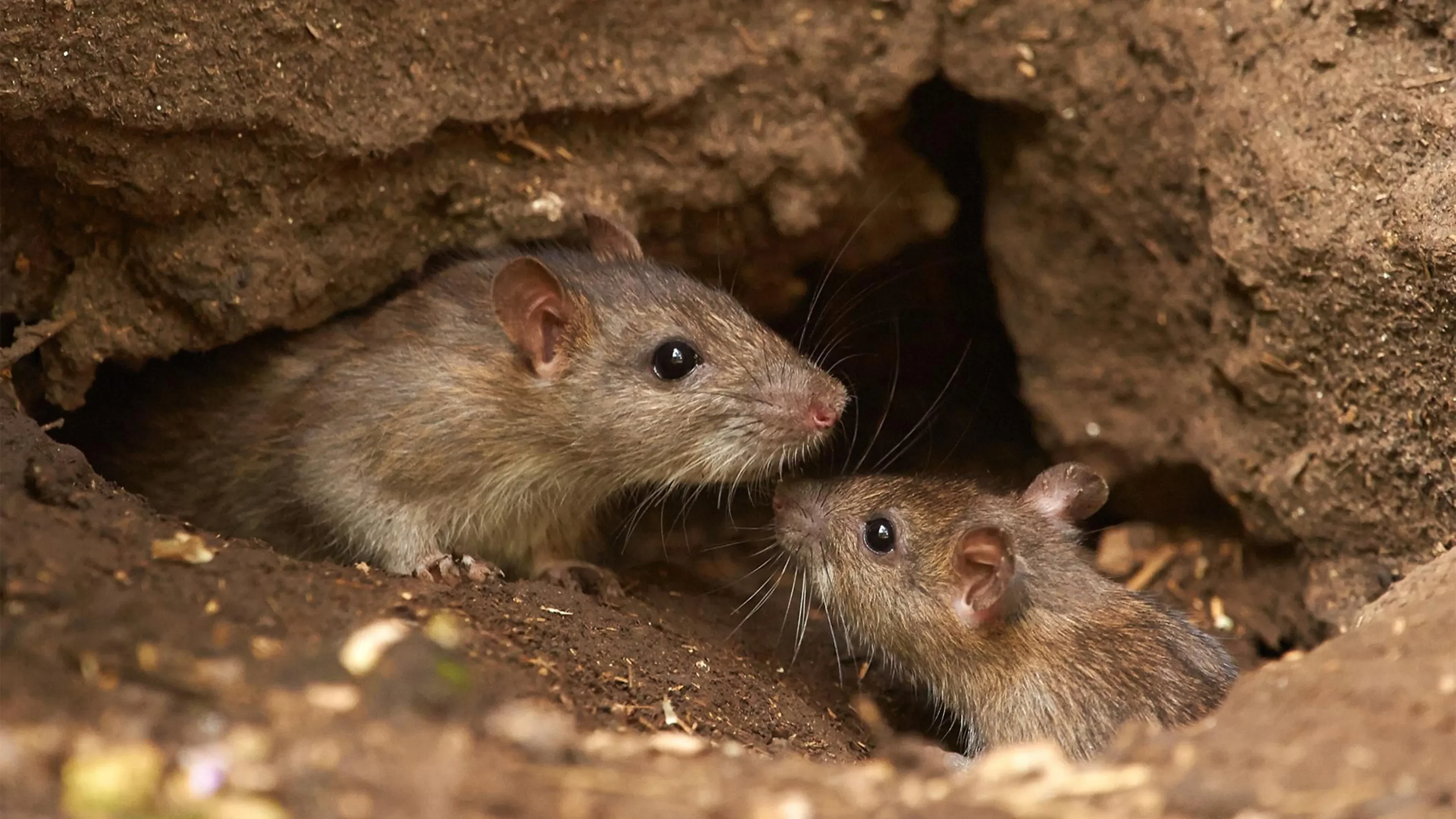
- Pests: Wild birds, rats, and mice can track parasite eggs straight into your facility.
- Reused bedding: Leaving old, dirty litter in the barn gives the worm eggs a perfect place to survive and infect the next flock.
Symptoms of Ascaridia galli
How do you know if your birds are infected? Watch out for these signs:
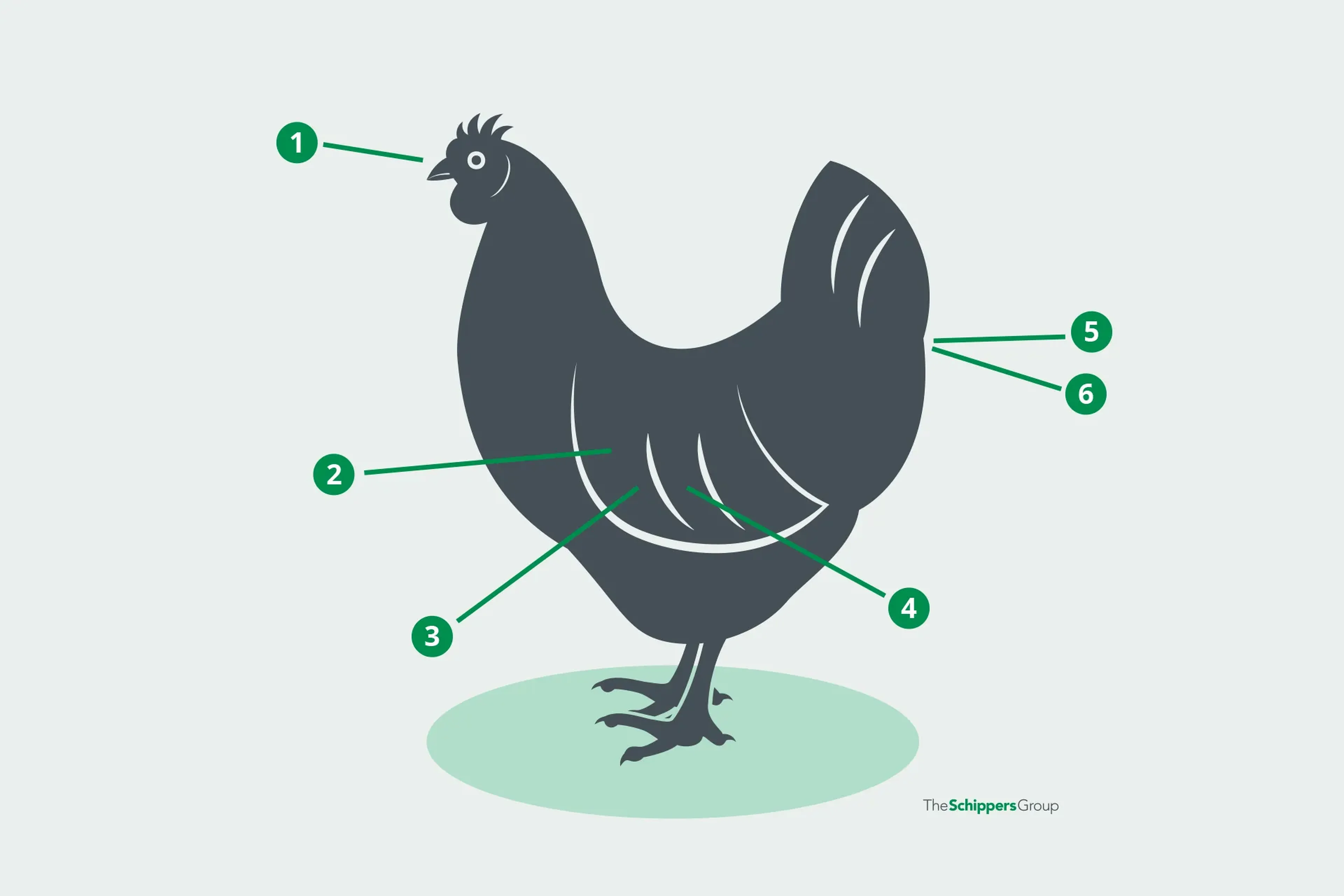
- Reduced appetite
- Slower growth
- Dull feathers
- Weight loss
- Diarrhea
- Reduced egg production
Prevent poultry from Ascaridia galli with these tips