Foot Rot in cattle: How to prevent infections
A cow that is limping, losing body condition, and giving less milk is a headache every producer deals with at some point. The likely culprit? A hoof infection. Panaritium, commonly known around the farm as foot rot, is one of the most frequent hoof problems in cattle.
What are the signs of this infection, where does it come from, and what can you do to keep your herd protected? We cover all the practical answers you need below.
What causes panaritium?
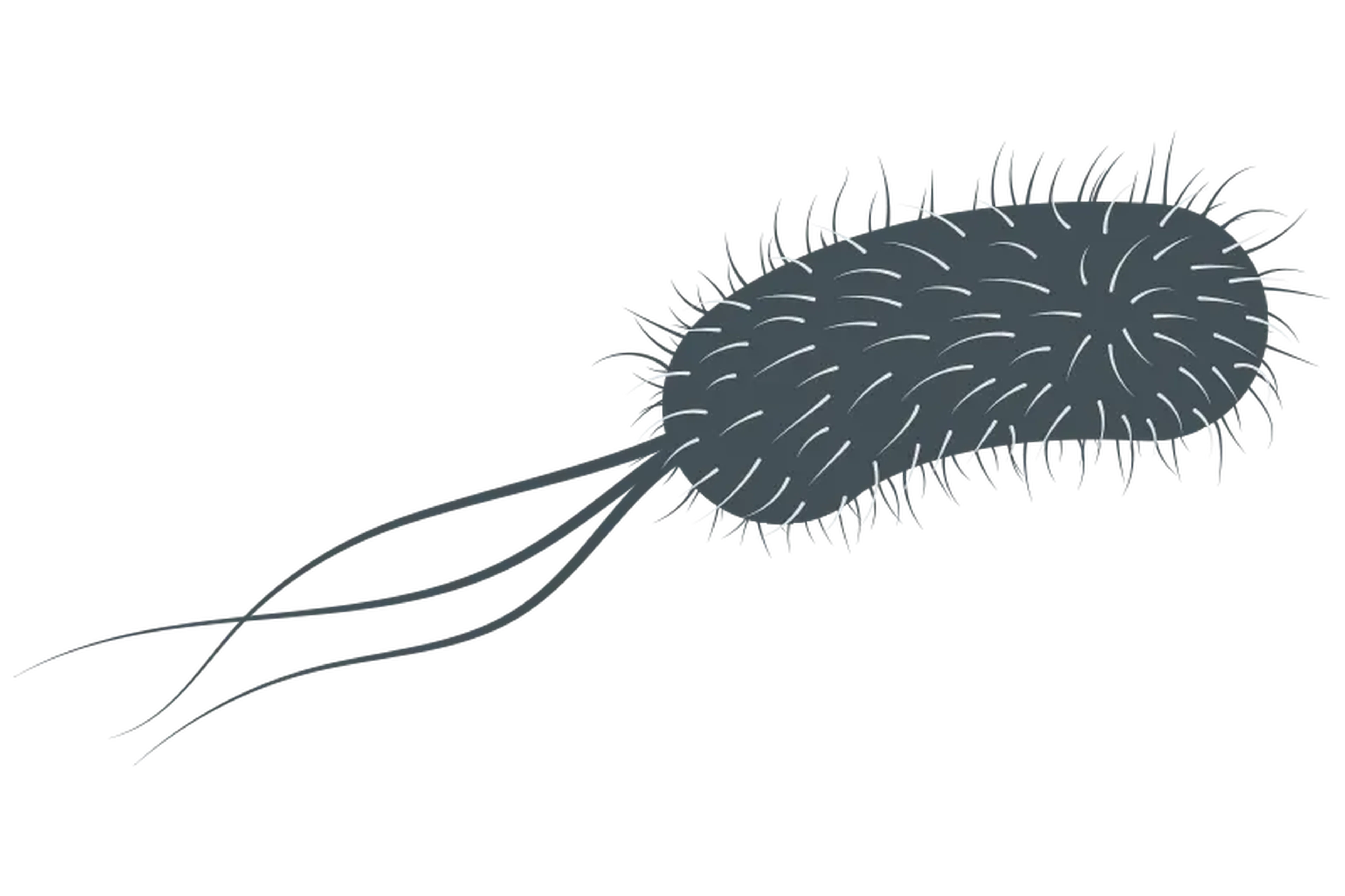
The main culprits behind foot rot are bacteria, primarily Fusobacterium necrophorum and Dichelobacter nodosus. Fusobacterium thrives in low-oxygen environments, like deep mud, dirty pens, or right between a cow's toes. The other bacteria breaks down the hoof tissue, which kicks the infection into overdrive.
These bacteria sneak into the connective tissue through small cuts or soft spots between the claws and quickly multiply. Cattle with tight spaces between their claws, or those standing in heavy muck, are especially vulnerable. Beyond barn conditions, management issues like poor rations or water supply problems can cause the feet to swell. This swelling stretches and splits the skin, leaving a wide-open door for bacteria to invade.
How does panaritium spread?
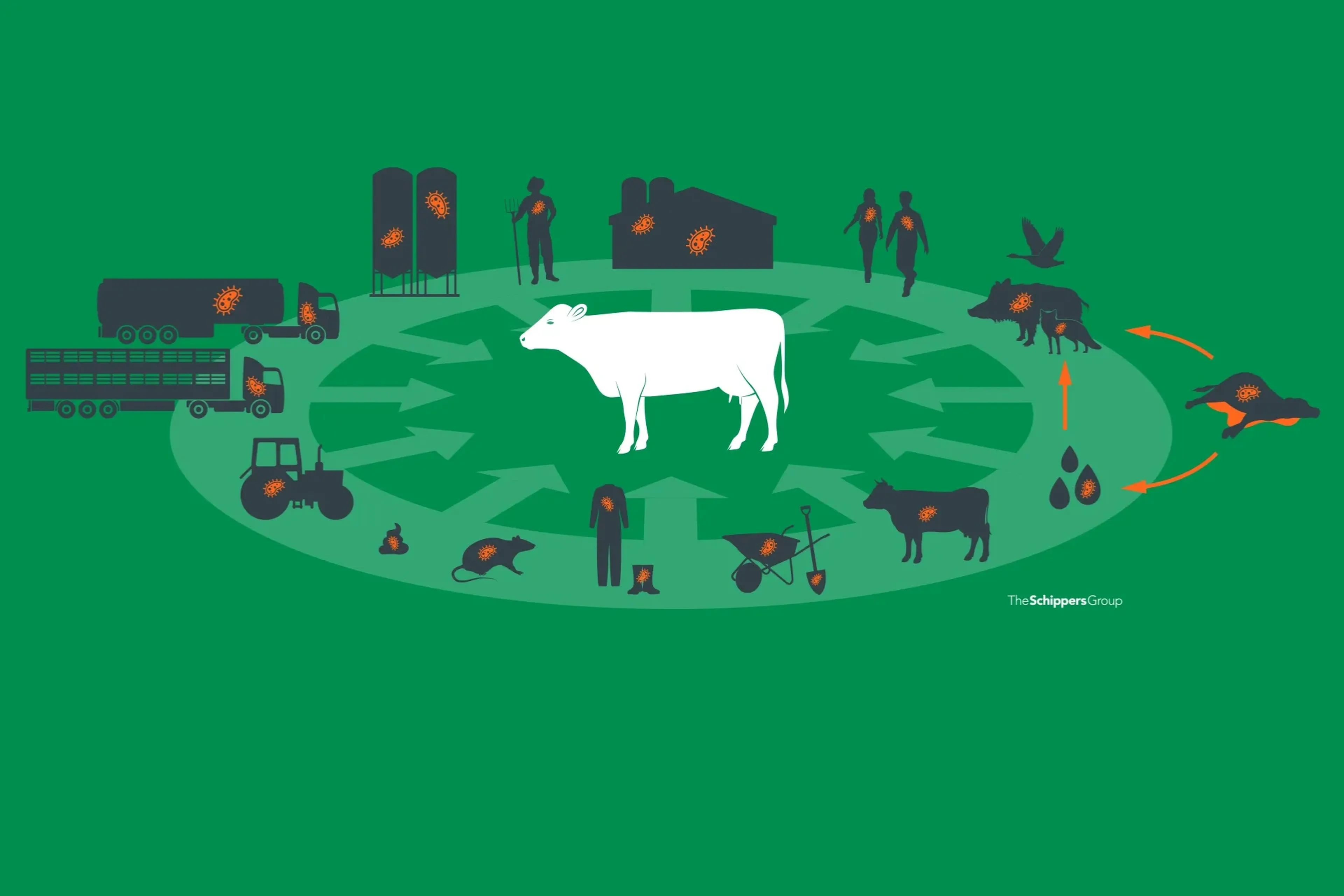
Panaritium can be transmitted from cow to cow via various routes:
- Contaminated areas, such as manure, wet bedding, and mud
- Improper hoof care that causes injuries
- Equipment and tools that are not properly cleaned and are used on multiple cows
- Footbaths that are shared and not cleaned regularly
What are the symptoms of foot rot?
The symptoms of foot rot are quite clear (1–2). These can also lead to additional symptoms and further consequences (3–5):
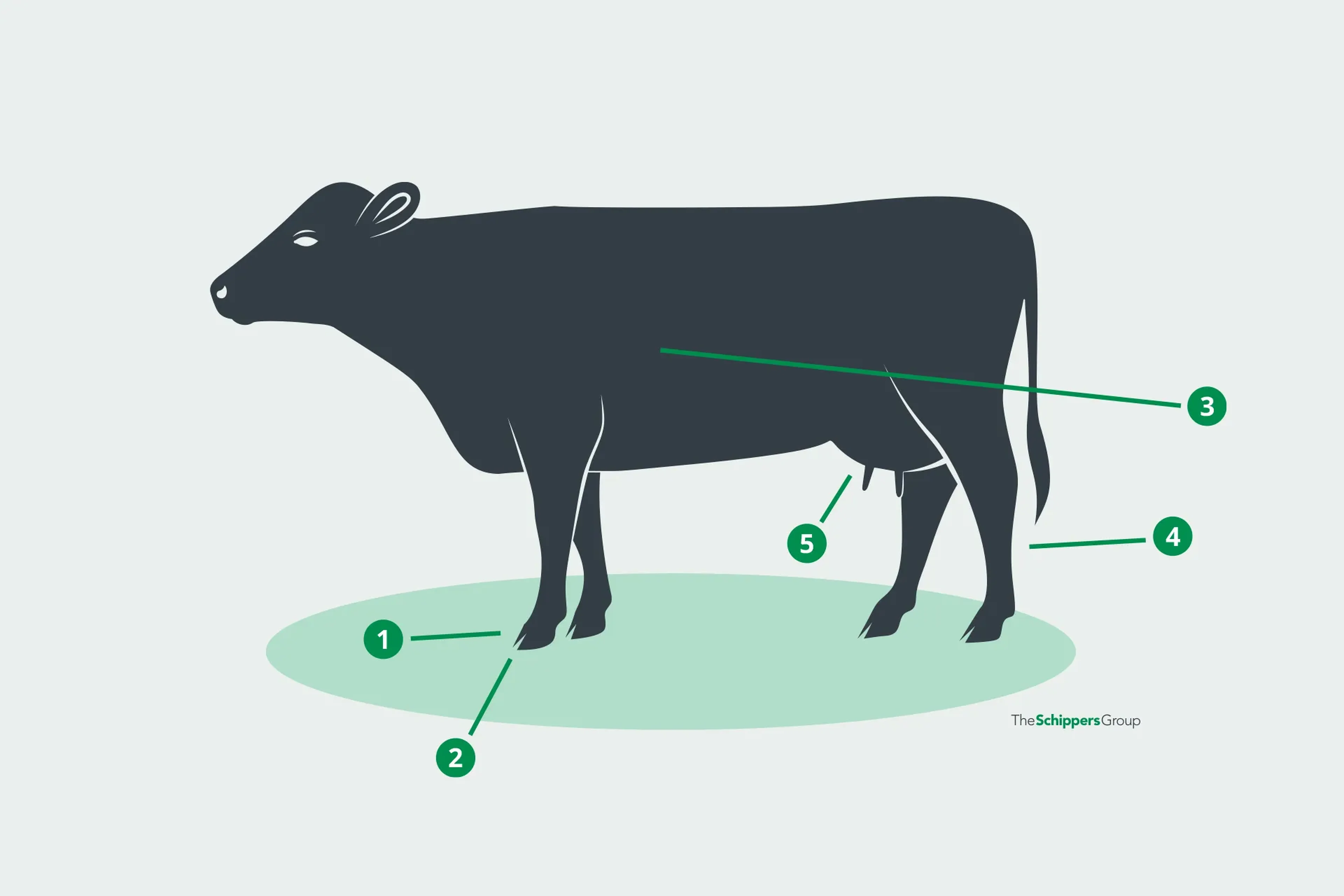
- Swelling and pain in the space between the claws
- Heat in the inter-claw space and coronet band
- Increased cell count
- Lameness
- Reduced milk production

How to protect cows from getting foot rot?
Once a single animal gets foot rot, the infection can tear through your herd fast. The fallout? Suffering cattle and a serious hit to your bottom line through lost milk and treatment costs. But with a solid game plan and the right management practices, you can prevent foot rot and keep your cows on healthy feet.
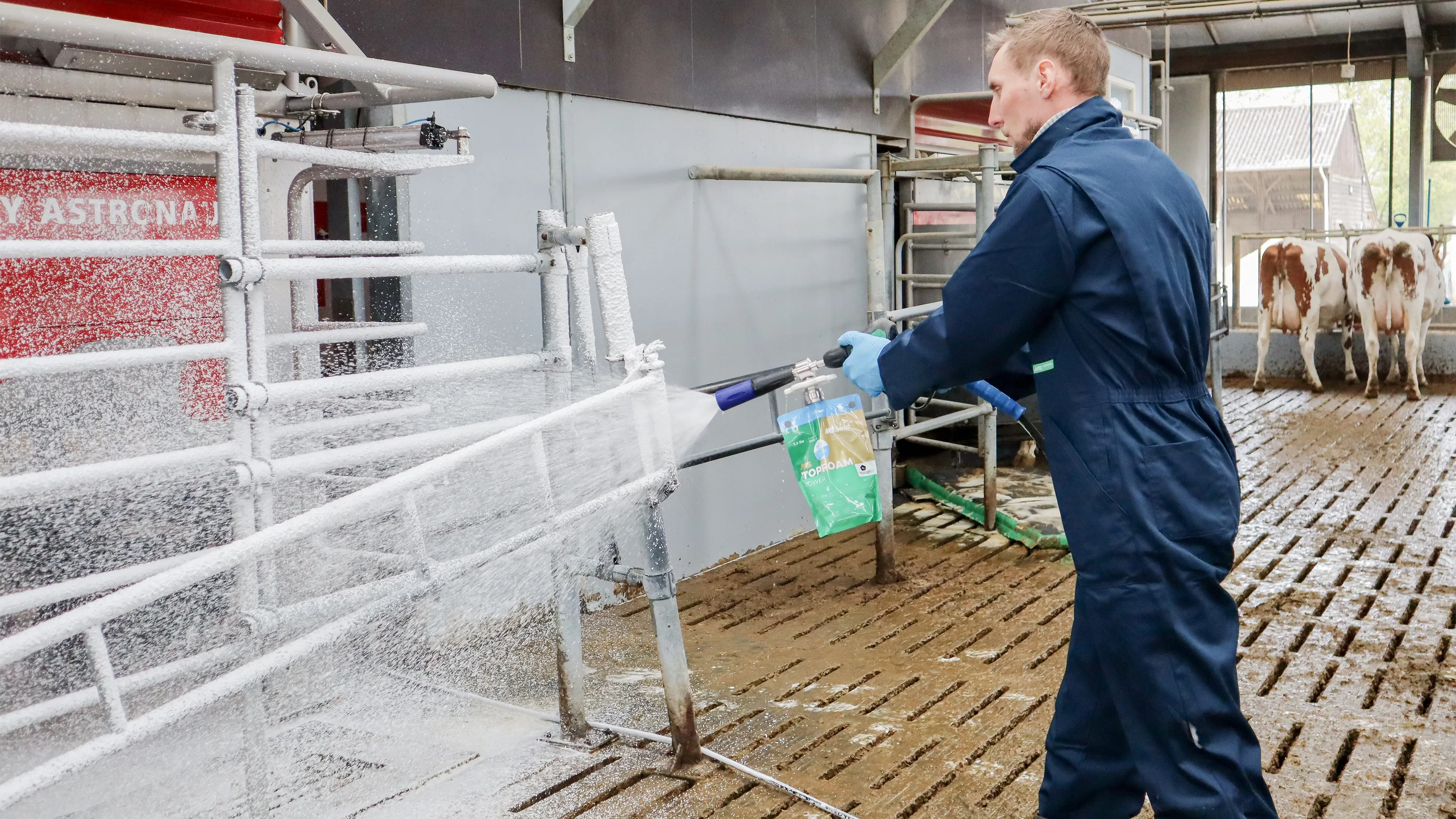
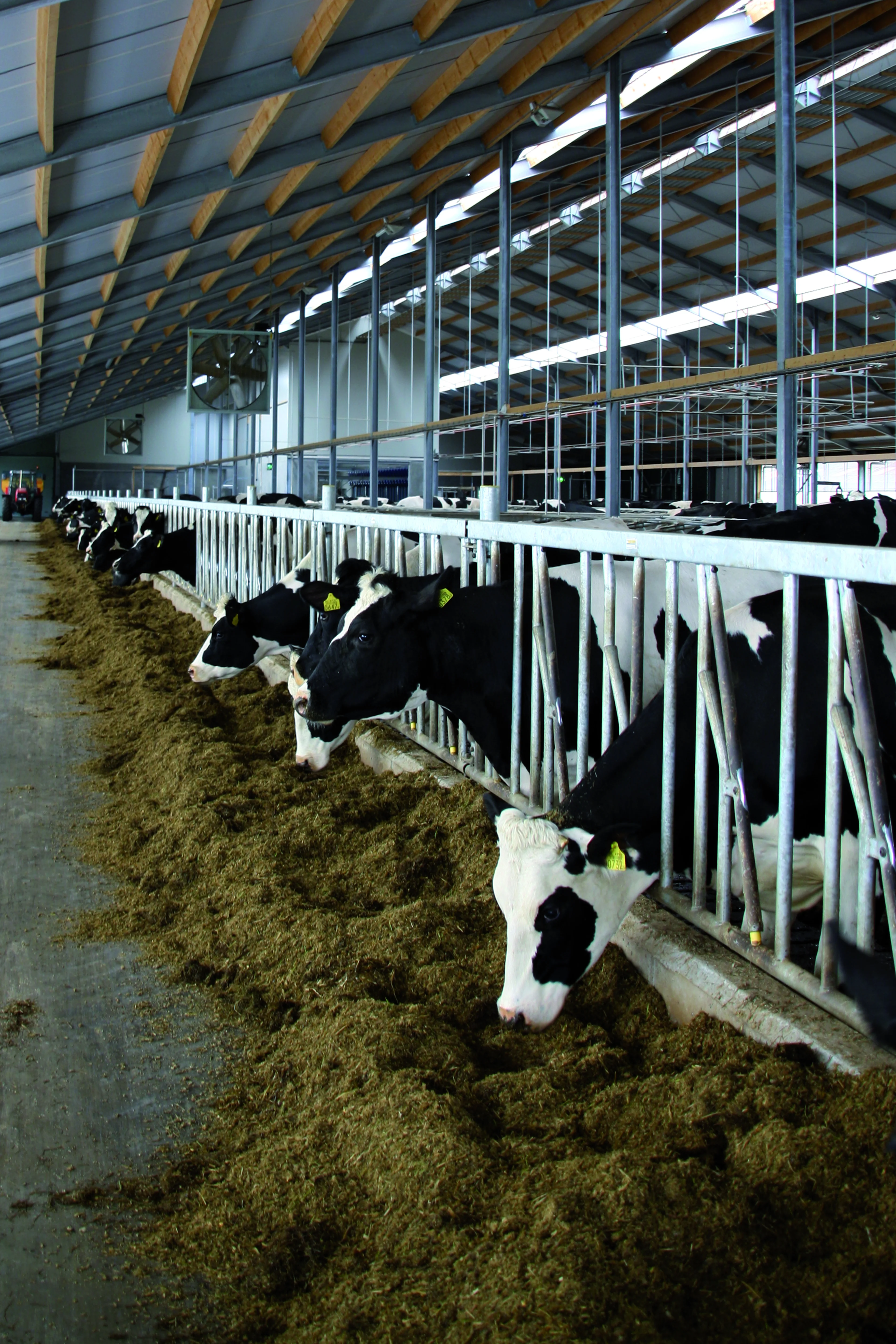
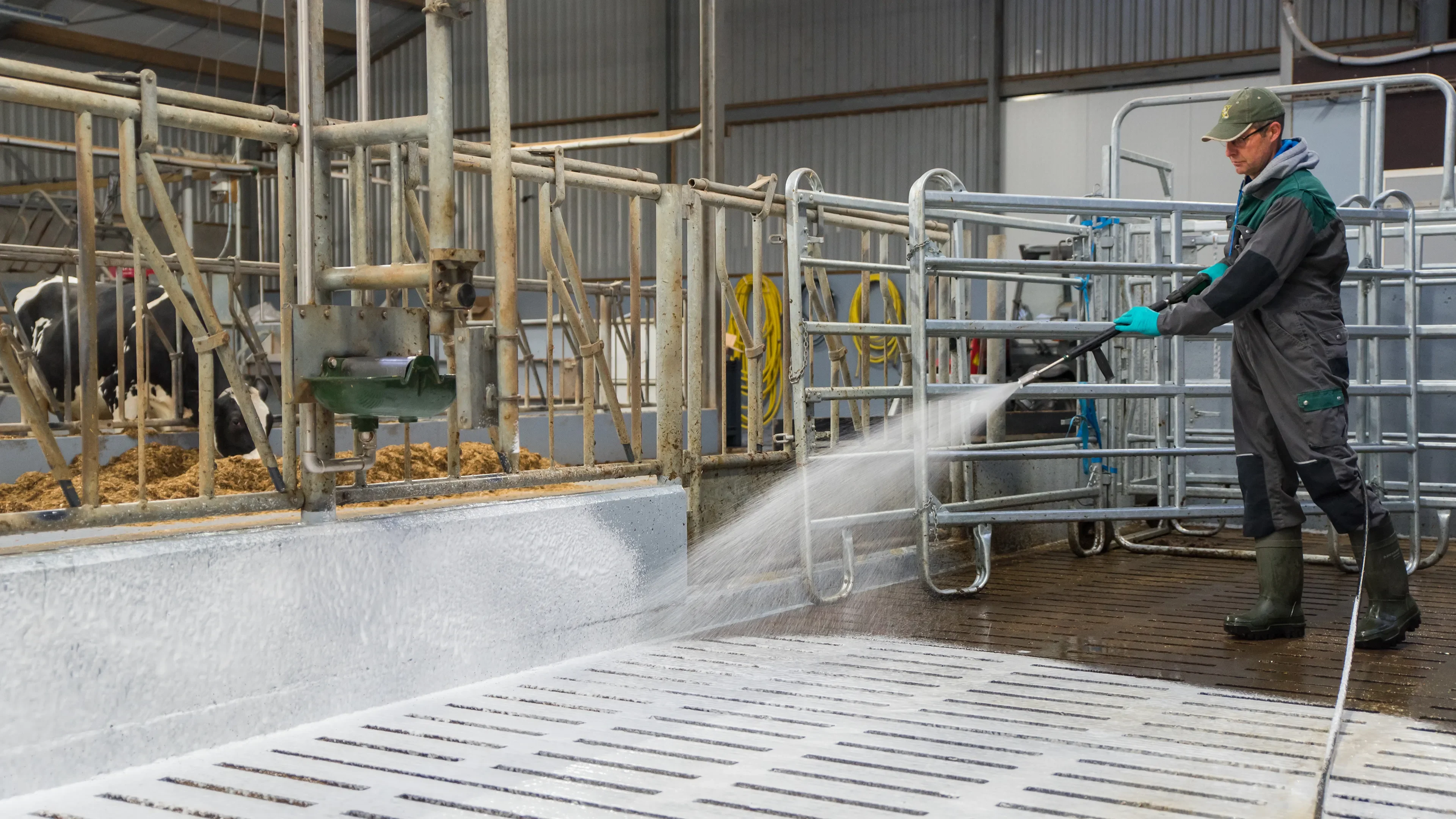
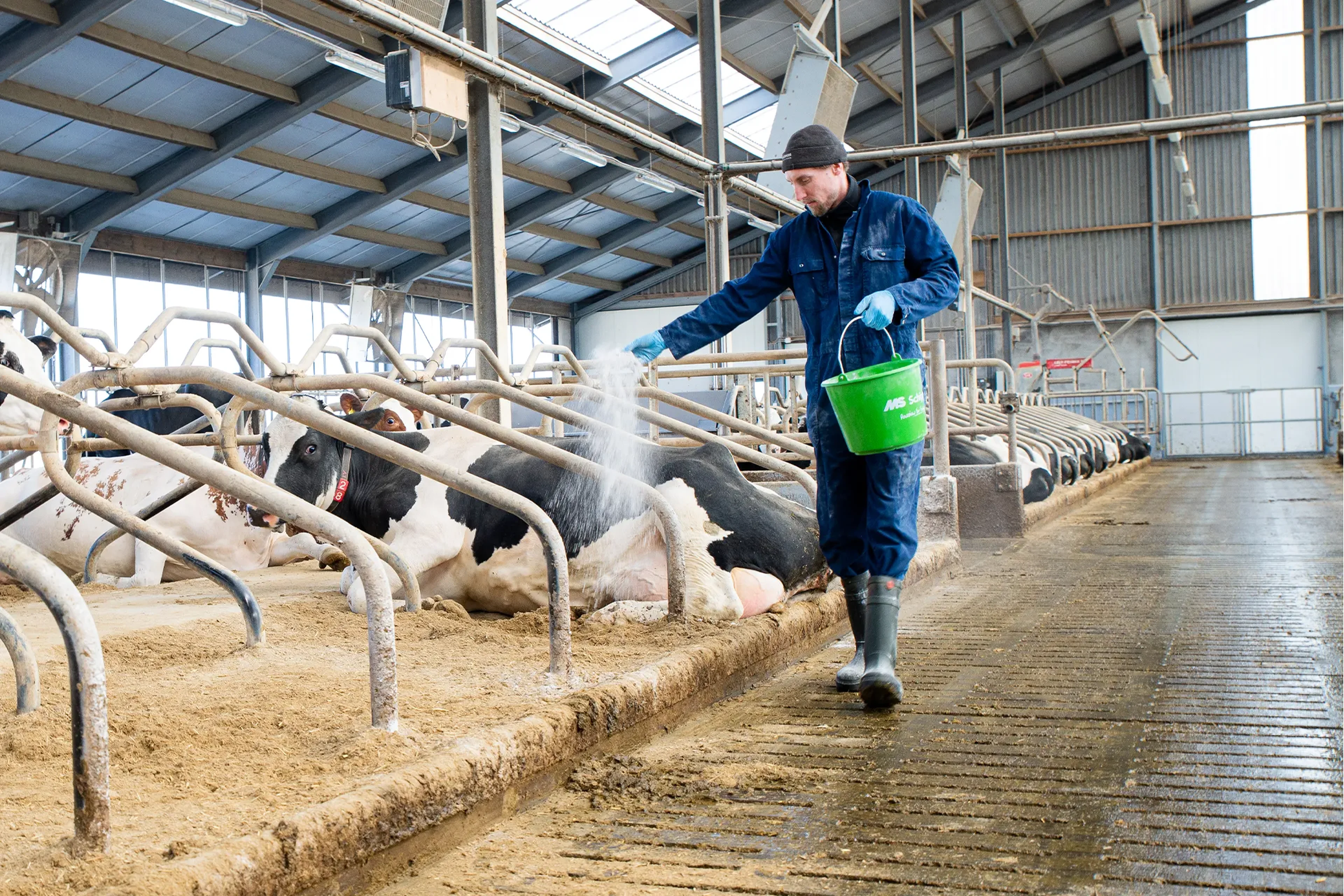
A clean and dry living environment is your first line of defence, as this takes away the damp, dirty conditions that these bacteria love. Pair a dry environment with a regular hoof trimming schedule and good hoof care, and you will be in a great position to stop the disease from spreading. On top of that, the right nutrition keeps your cows' immune systems strong and more capable of fighting off infections.
5 steps to prevent your cows from becoming infected with panaritium:
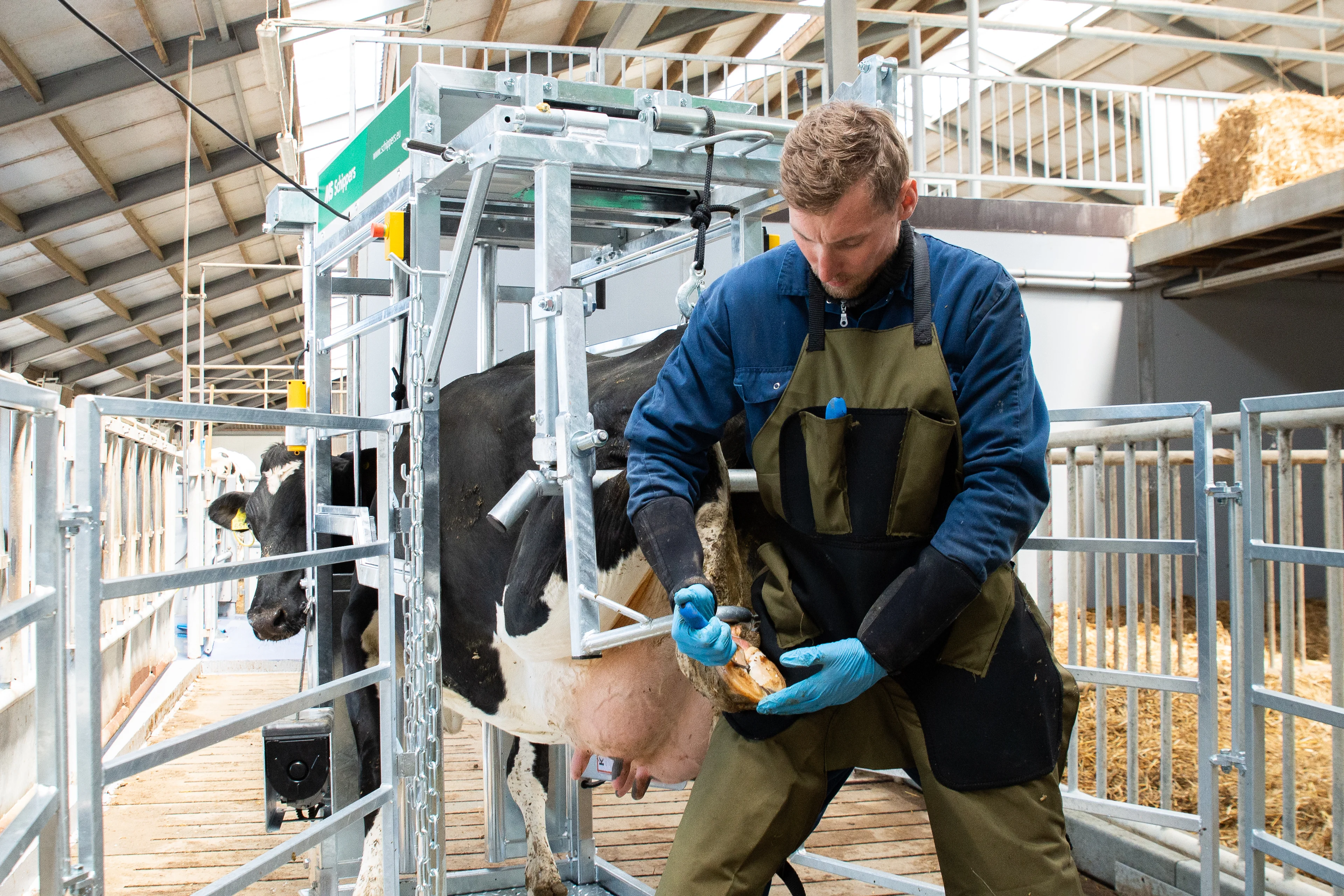
Regular and proper hoof care
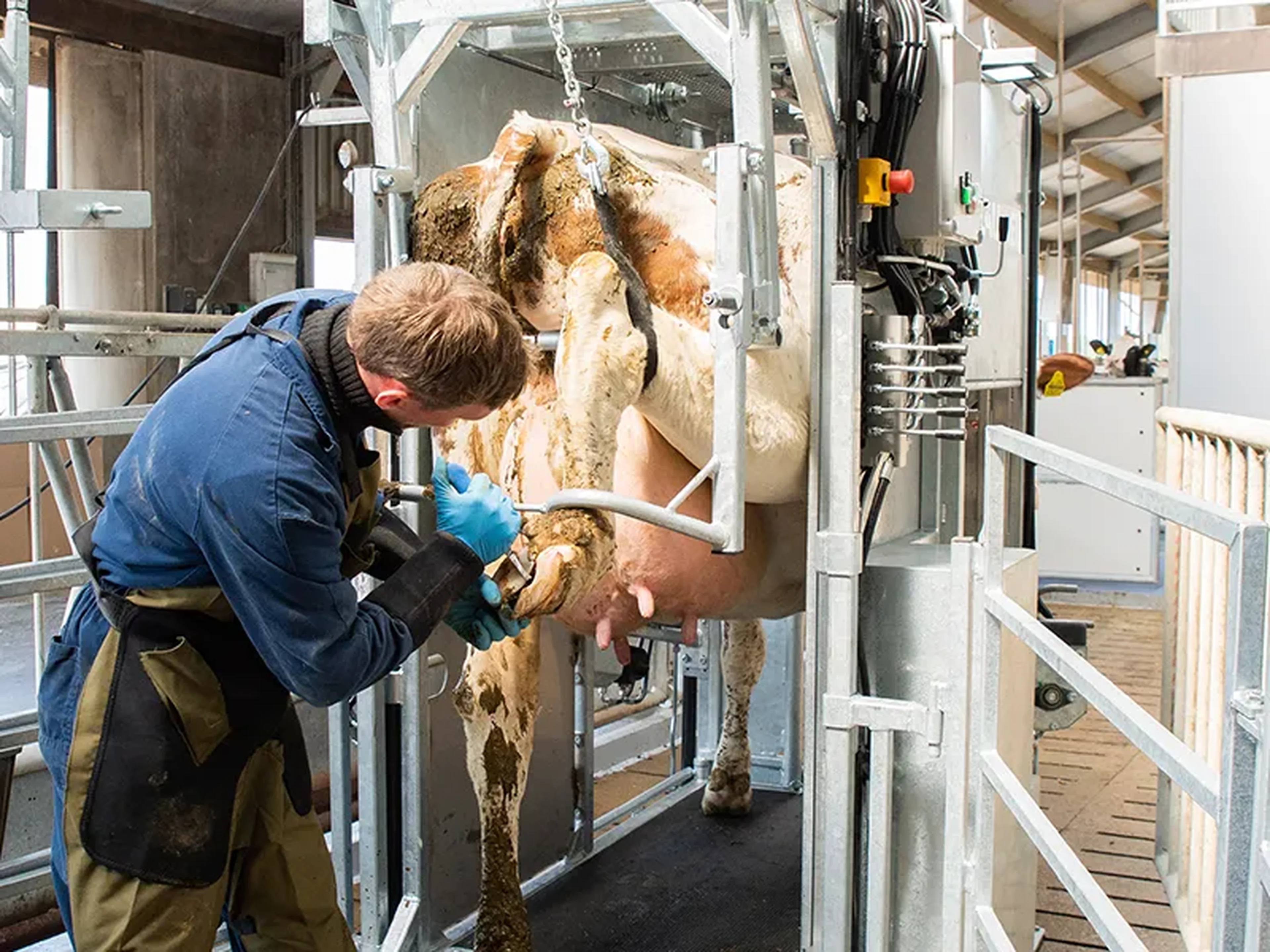
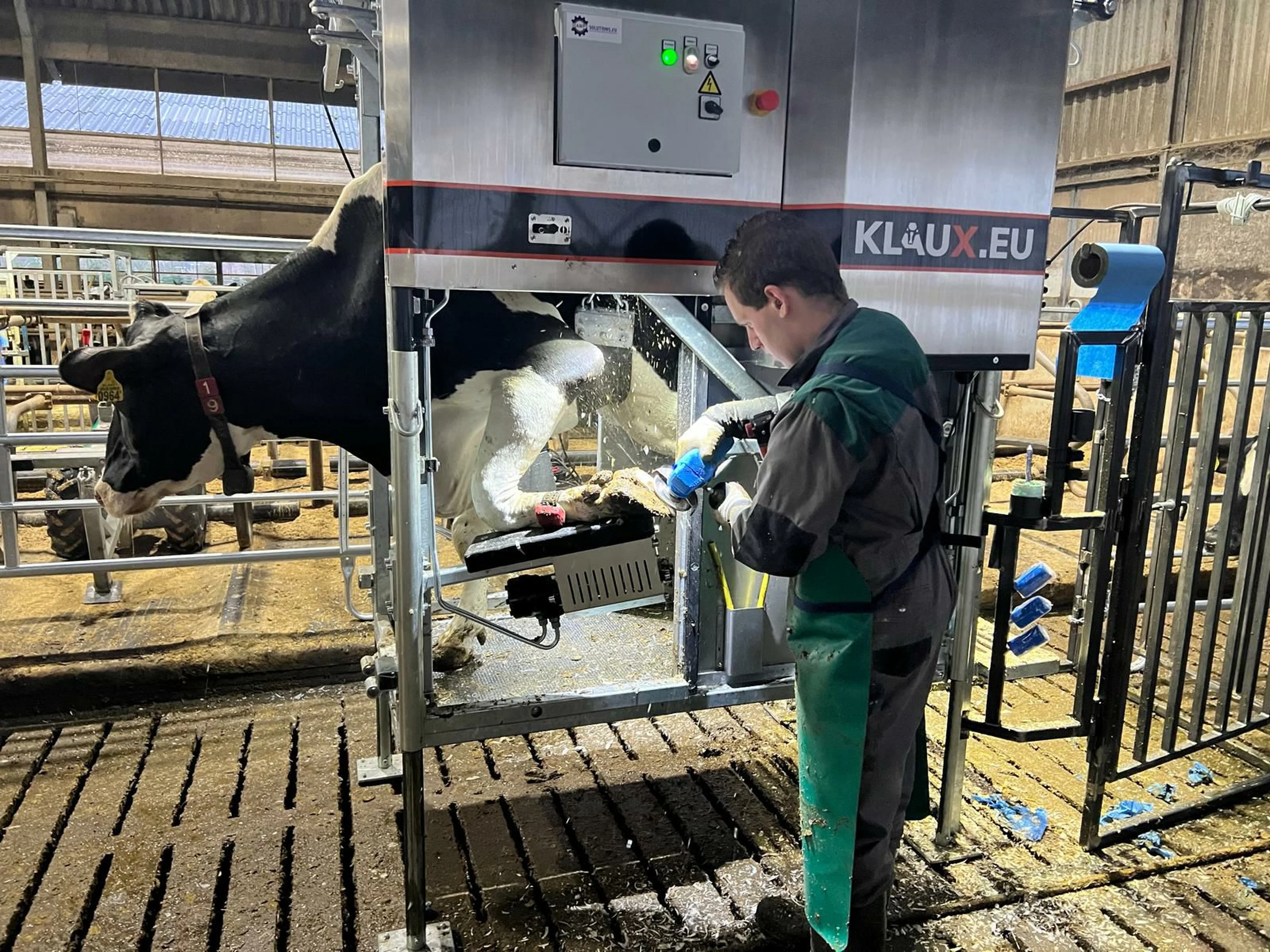
Good hoof care is essential. In our range you will find many products to make your work easier. Trimming should be done regularly, about 2-3 times a year.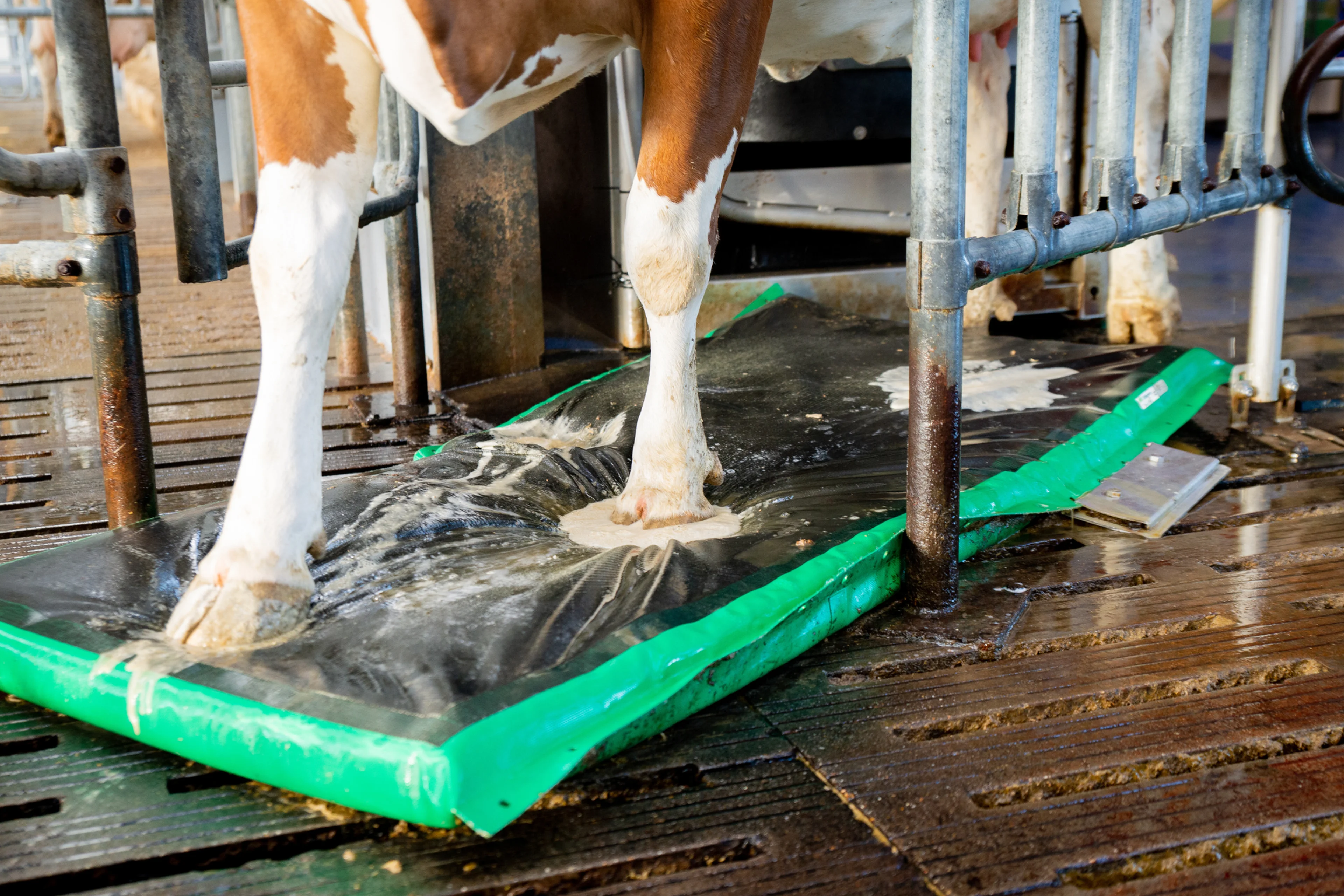
Maintain clean footbaths
Disinfect and clean the hoof baths regularly to prevent the transmission of panaritium. Change the solution regularly. Take care not to use only skin-irritating products. Also ensure the environment around the footbaths remains clean. An alternative to classic footbaths is the MS AutoHoofClean, an automated and skin-friendly disinfection mat that is active 24/7.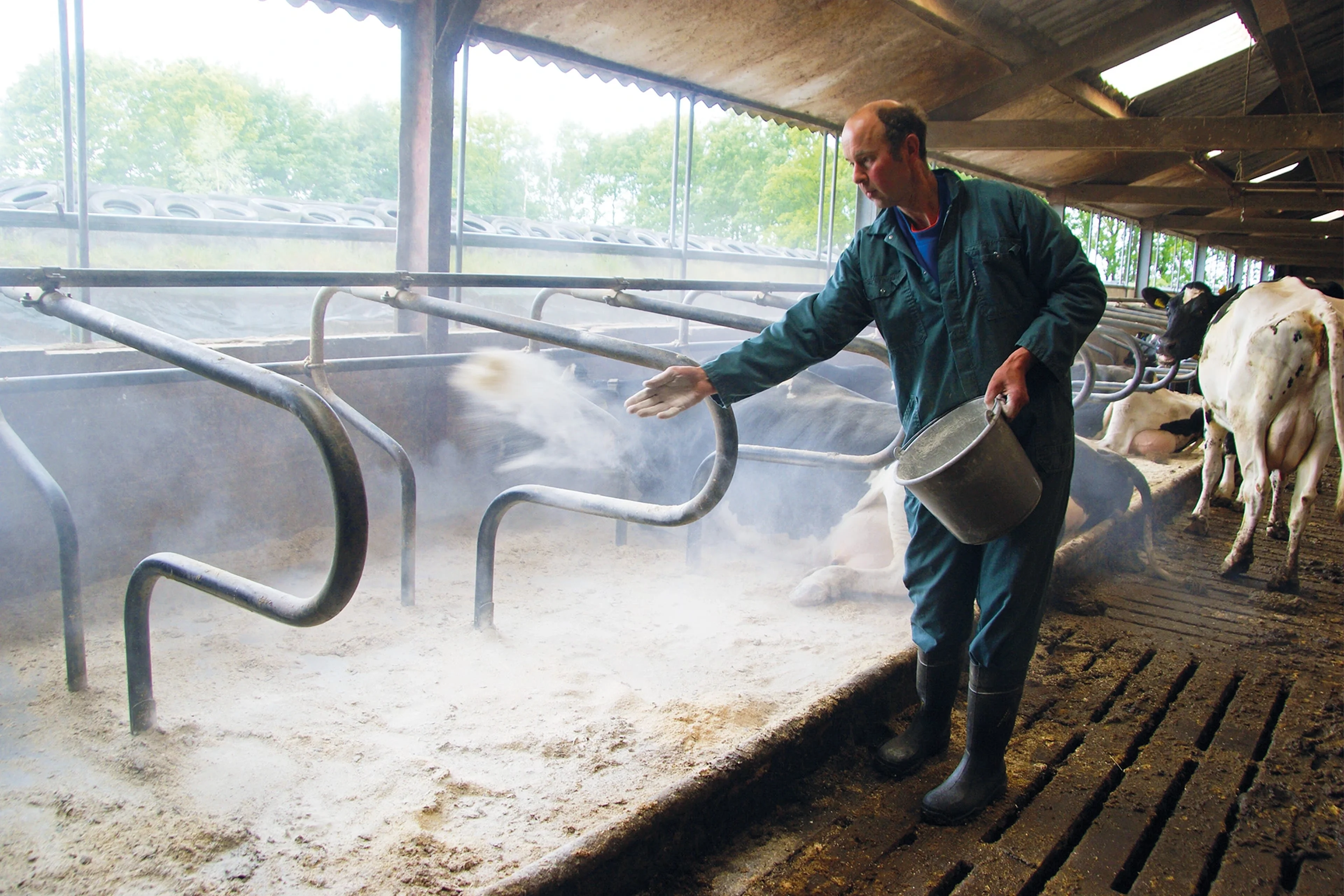
Create a dry living environment
The bacteria responsible for panaritium thrive in wet areas, such as wet bedding. To prevent your cows from getting infected, make sure to create a dry living environment and regularly clean the bedding. Make sure that the pH value of the lime is not too high, otherwise the skin will become irritated.