Support your dairy cows to prevent udder edema
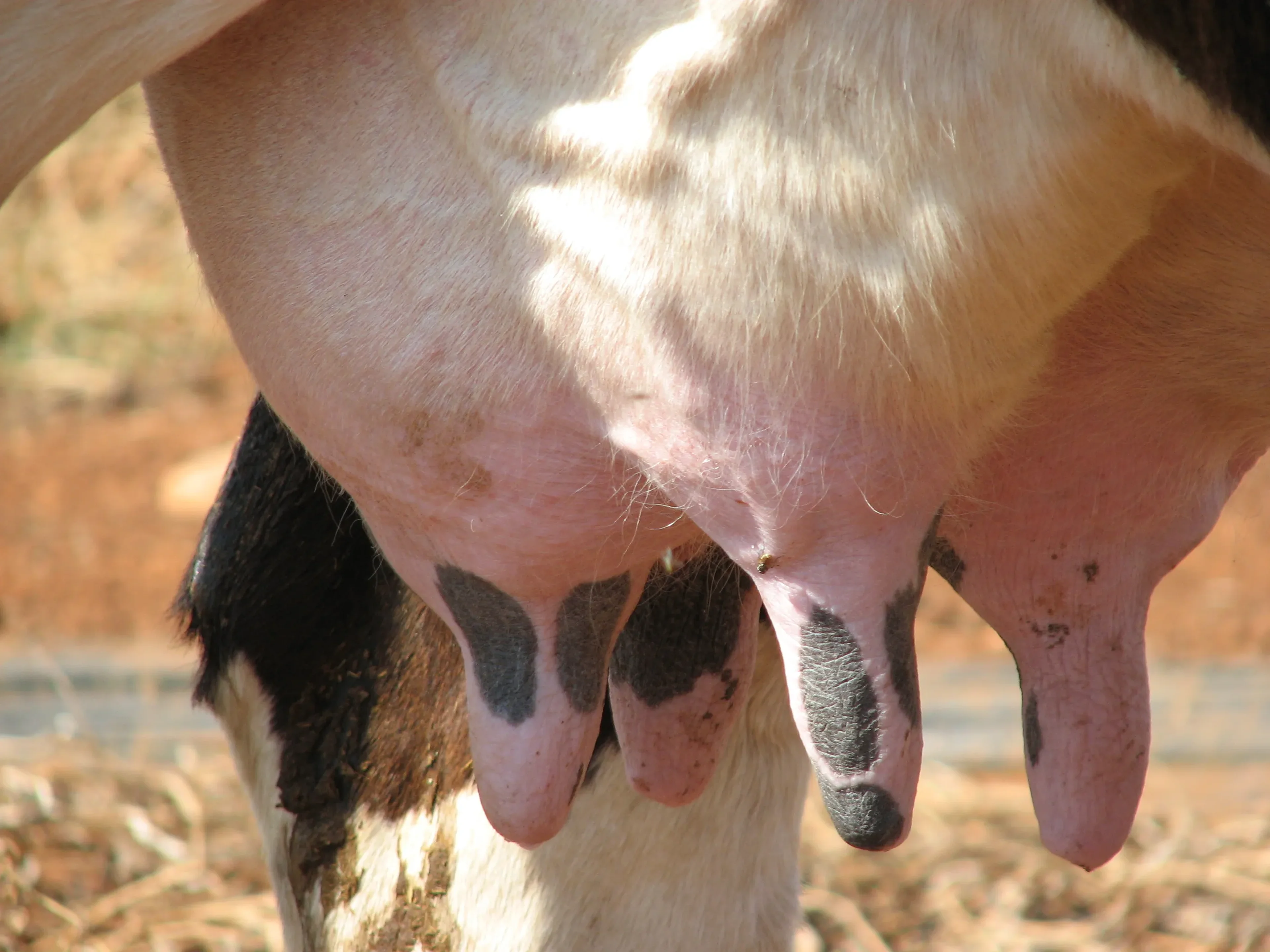
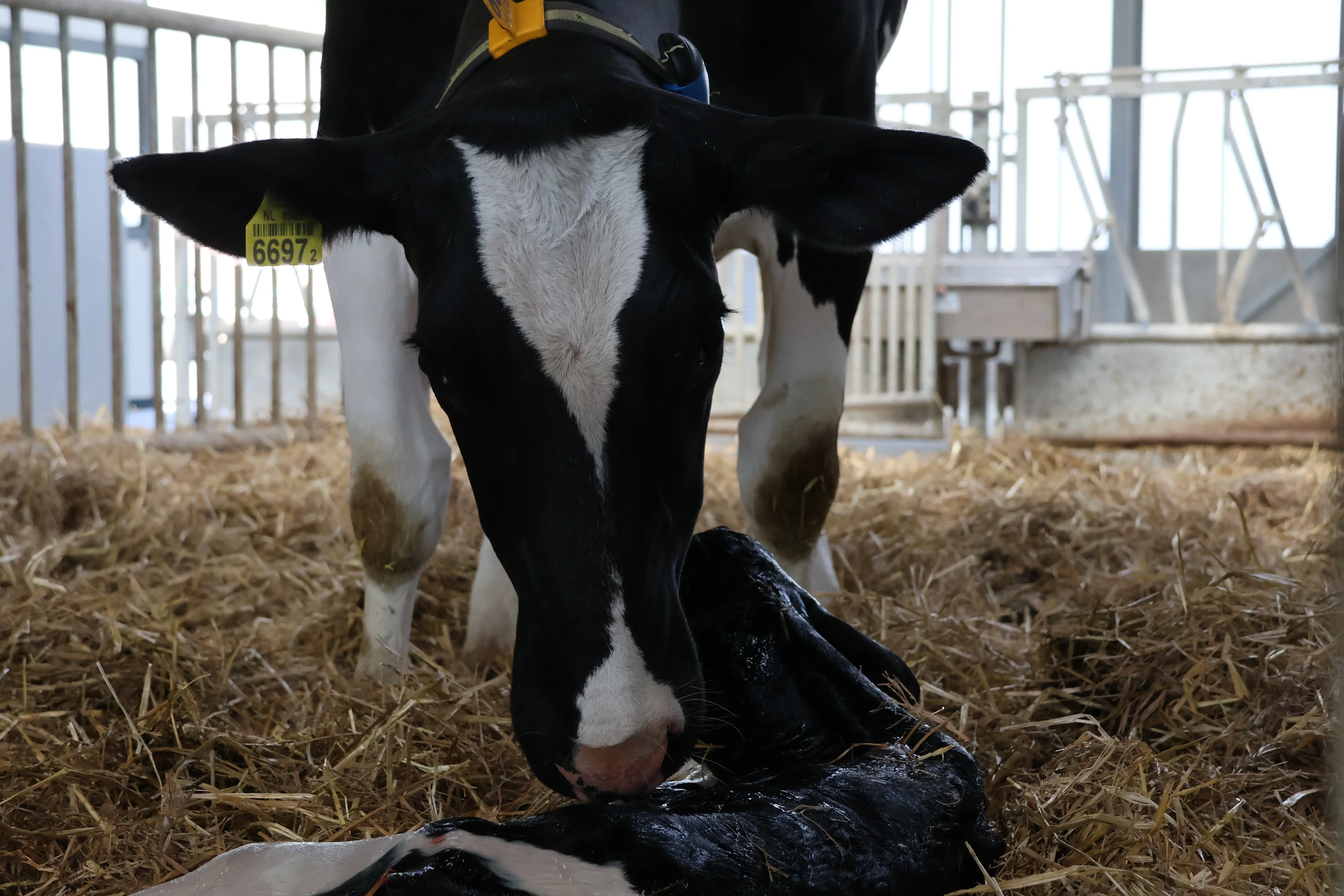
Your cow just dropped a healthy calf, and everything looks great. But when you check her over, her udder is swollen, hard, and tight. Is that normal?
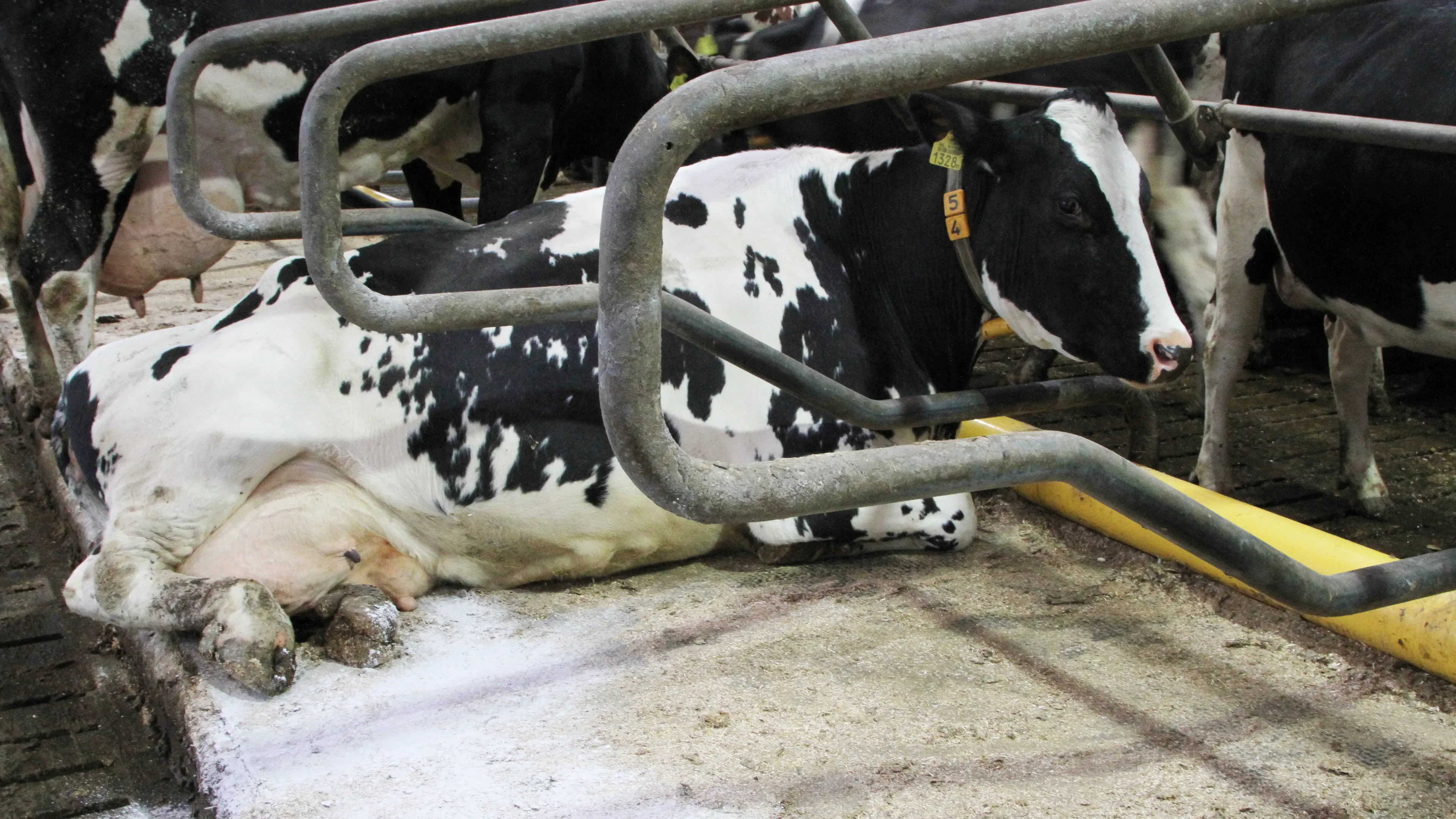
It is a scenario most dairy producers have dealt with at some point. A cow showing these signs is likely dealing with udder edema, often referred to around the barn as a 'caked udder.' This swelling usually flares up right around calving time. The good news is that it isn’t contagious. The bad news? It can seriously impact your cow's comfort, drop her milk yield, and drastically raise her chances of developing mastitis.
Causes of Udder Edema in Dairy Cows
Udder edema is circulatory disorder, meaning it isn't caused by an infection from a virus, bacteria, or parasite. It almost always shows up during the transition period—the days right before or just after a cow calves. During this time, blood flow to the udder spikes dramatically as the cow gears up for milk production. All this extra pressure in the blood vessels forces fluid to leak out and pool in the udder tissue, causing that hard, swollen buildup.
How does udder edema spread?
Udder edema in dairy cows does not spread, as it is a physical condition. Therefore, you do not have to worry about one cow infecting your herd. However, there are risk factors and certain practices that make your cows more prone to developing udder edema.
Overfeeding cows
Especially with a higher amount of salt or high-energy rations.
Little movement
before calving
Inaccurate monitoring
of heifers or dry cows during the pre-calving period.What are the symptoms of udder edema in dairy cows?
There are various symptoms that are a sign of udder edema.
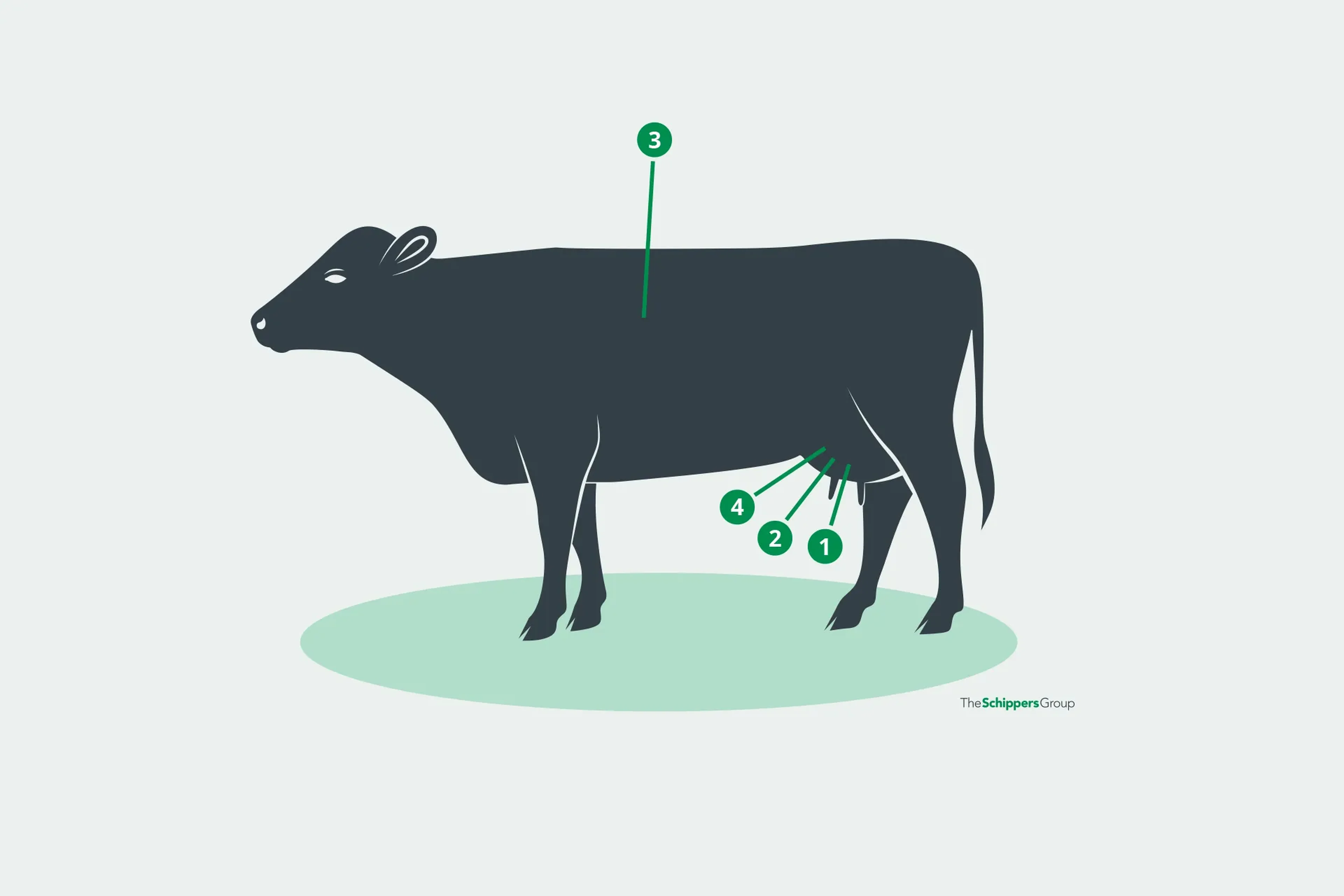
- Swollen udder, especially in the front area
- Tight and shiny-looking skin
- Hesitance to move or lie down
- Poorer milk yield
How to protect your cows from udder edema?
A caked udder is incredibly uncomfortable for your cows. The tight swelling makes it hard for them to let down their milk and, worst of all, sets the stage for severe issues like mastitis. Fortunately, you can lower the risk of edema by putting a few solid management practices in place.
By dialing in your nutrition, making sure the herd gets enough movement, and keeping their bedding dry and comfortable, you will stay one step ahead of the swelling.
3 measures to prevent udder edema in dairy cows
In order to prevent udder edema in cows, it is important to eliminate potential risk factors.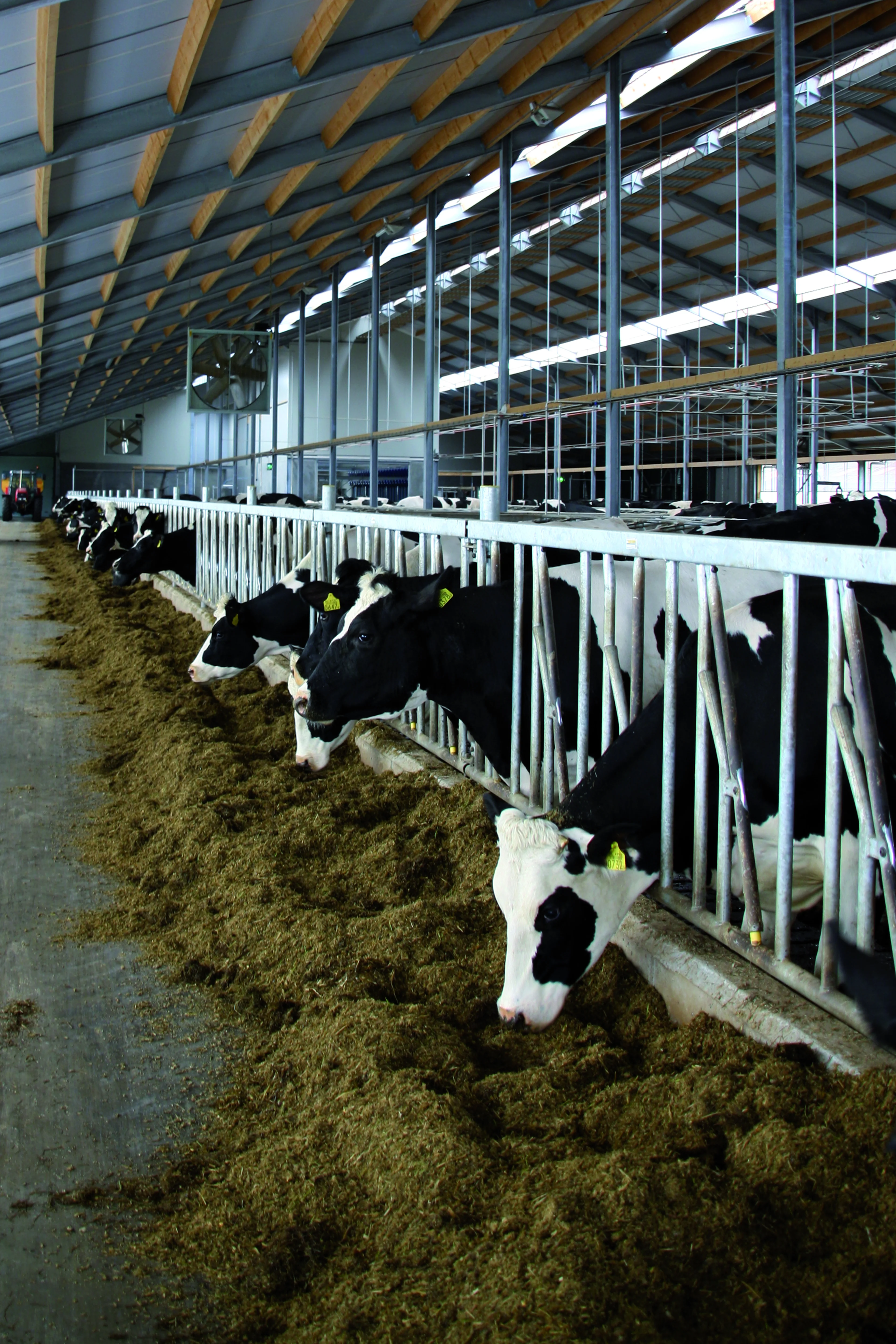
Nutrition
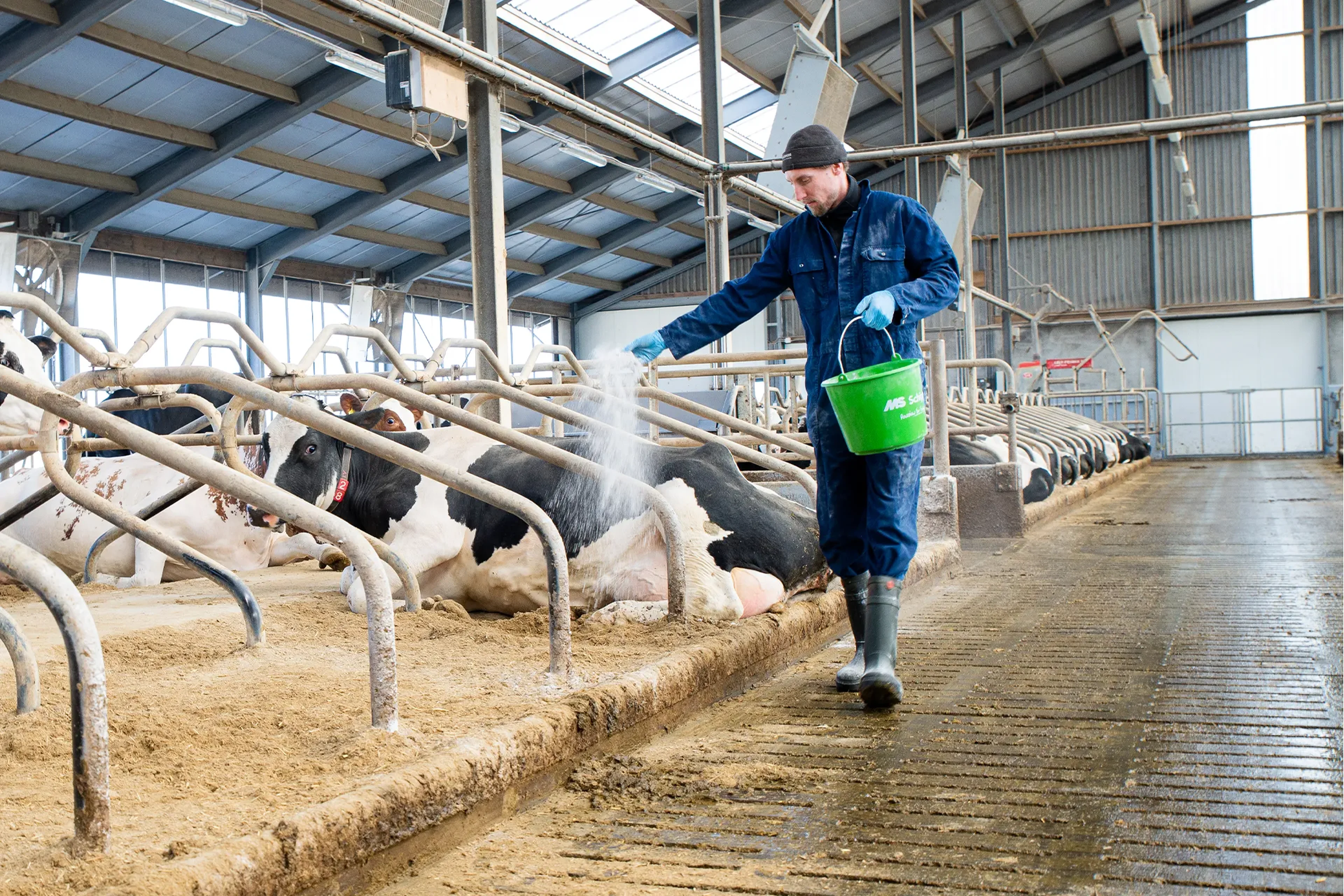
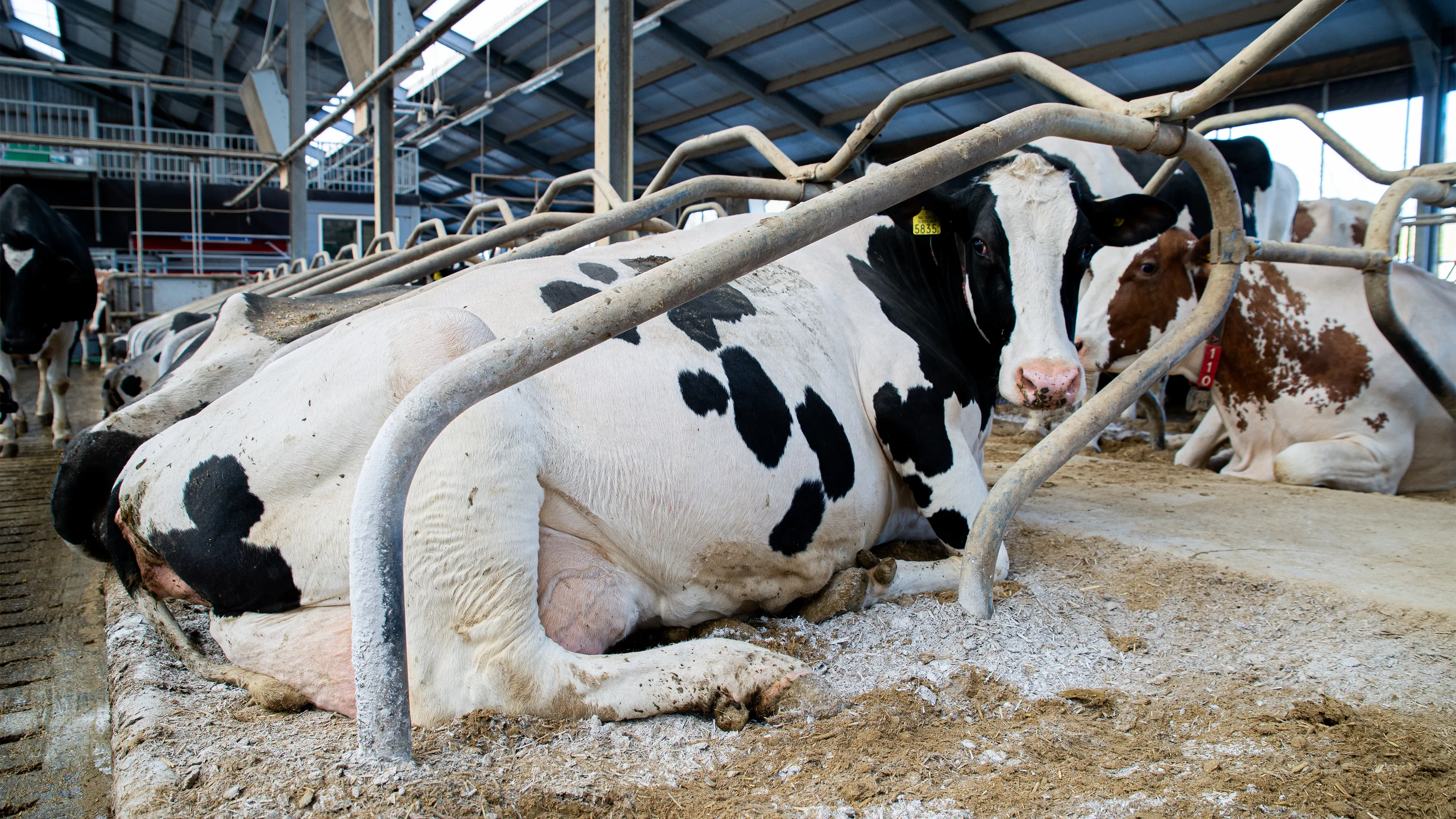
Make sure your cows have a comfortable barn with enough room to walk around. Avoid overcrowded pens, as staying active is crucial for good blood circulation. Also, provide clean, dry resting areas. Fresh bedding keeps the herd comfortable and drastically lowers the risk of secondary udder infections.