Recognizing and preventing Infectious Coryza in your flock
Infectious Coryza, often referred to around the barn as "acute snot" or "roup", is a severe bacterial respiratory infection that targets chickens. While this disease can sweep through a flock fast and hard, having the right management practices in place can significantly limit the fallout.
By focusing on strong prevention and keeping your barn environment clean and well-ventilated, you can protect your birds and keep them healthy.
What causes Infectious Coryza in poultry?
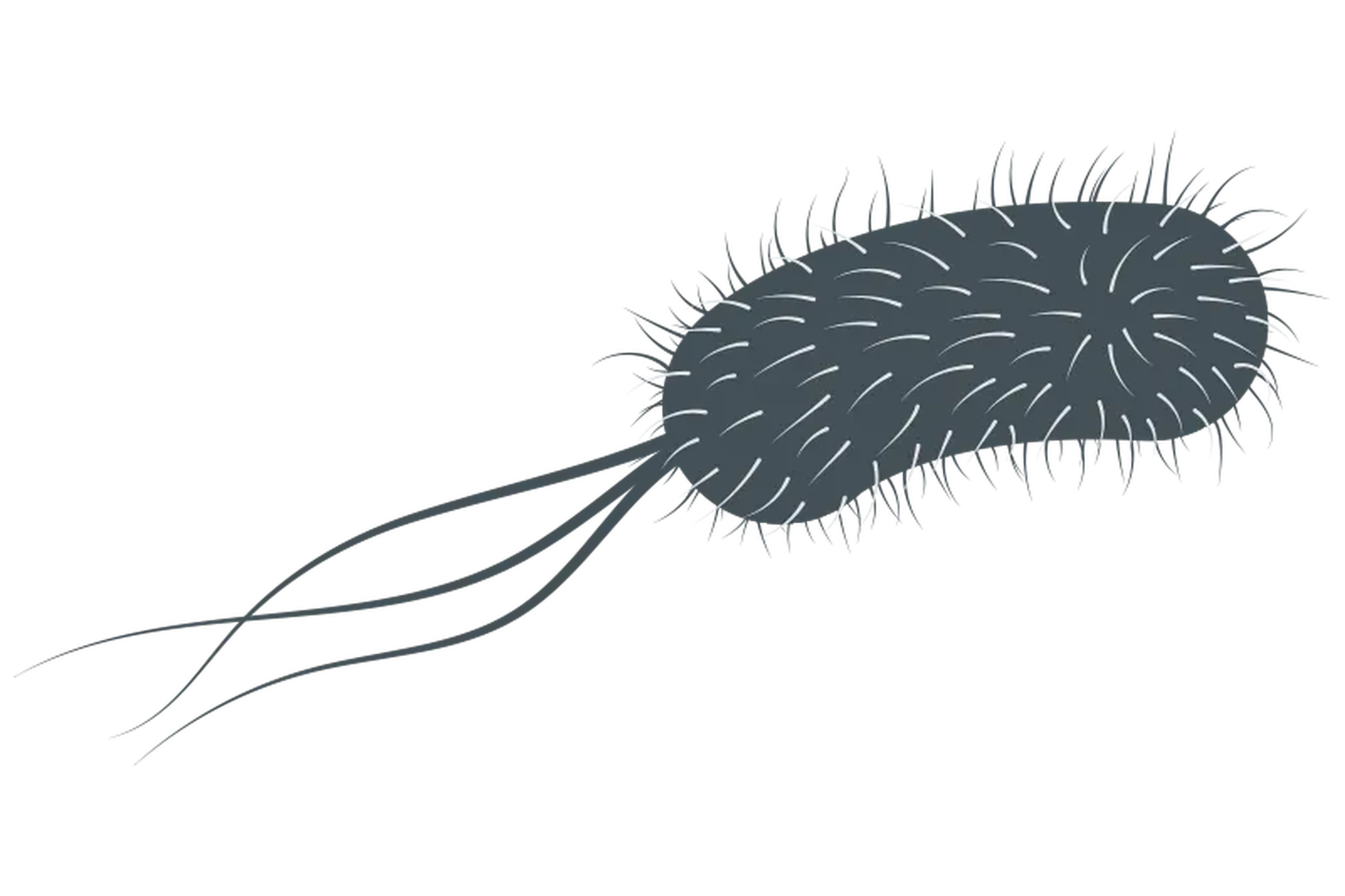
The main culprit behind Infectious Coryza is a bacteria known as Avibacterium paragallinarum. When this bug hits your flock, it settles right into the upper respiratory tract of your chickens and triggers severe inflammation. It is also worth noting that there are several different strains, or serotypes, of this bacteria out there. This can be a headache for producers because it sometimes affects how well certain vaccines work against the specific strain in your barn.
How Infectious Coryza spreads
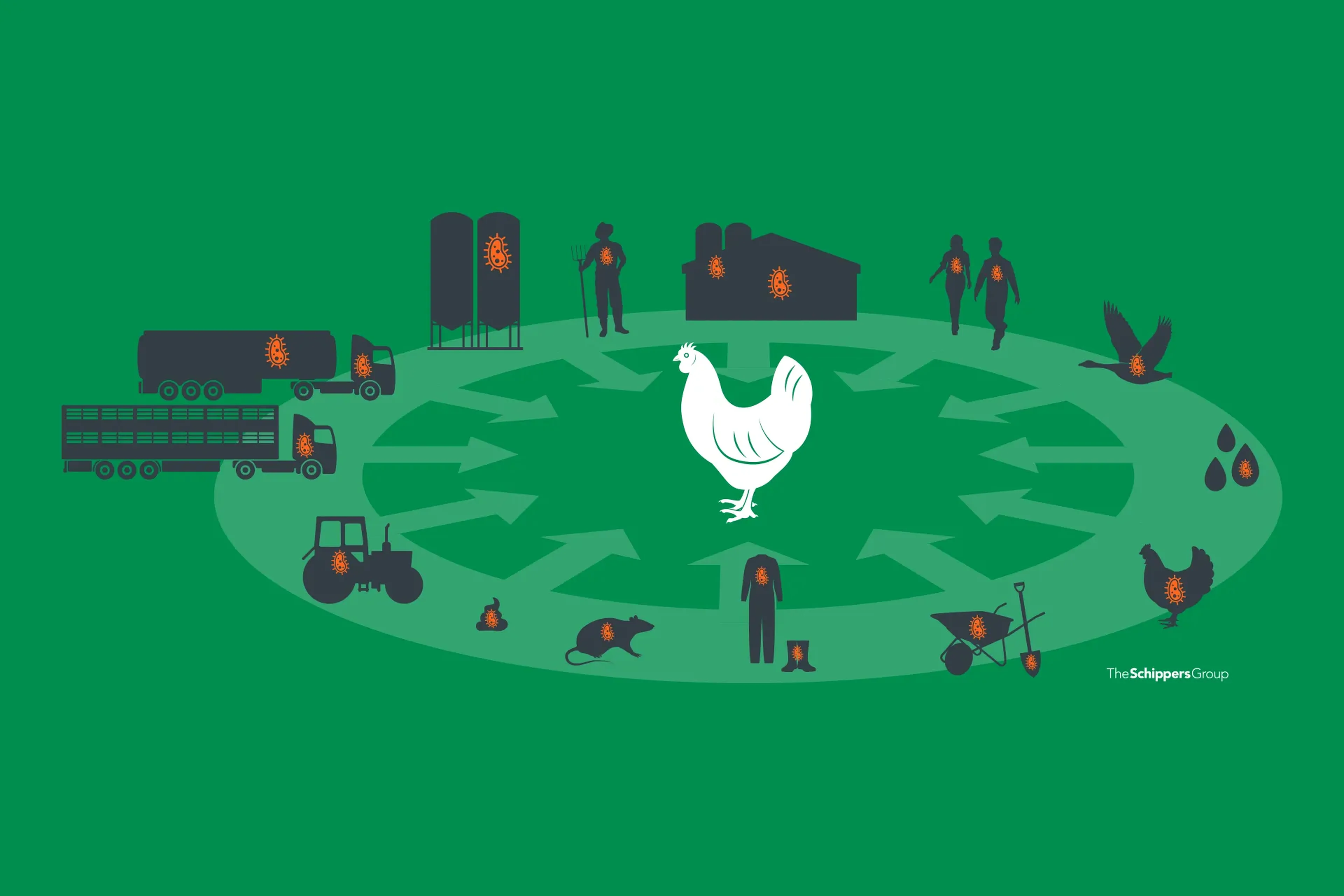
Infectious coryza is highly contagious and spreads through several pathways:
- Direct contact between birds
- Contaminated materials such as feeders and drinking nipples
- Water droplets in the air, over a short distance
- Contaminated water
- Manure can be a source of infection
- People and materials moving from barn to barn without proper hygiene
The bacteria only survives outside the bird for a couple of days, but that is plenty of time to cause serious damage. Worse yet, once a chicken catches it, they become a carrier for life. The disease can easily flare back up anytime your flock gets stressed or their immune systems take a hit.
What are the symptoms of Infectious Coryza?
Farmers should watch for these warning signs:
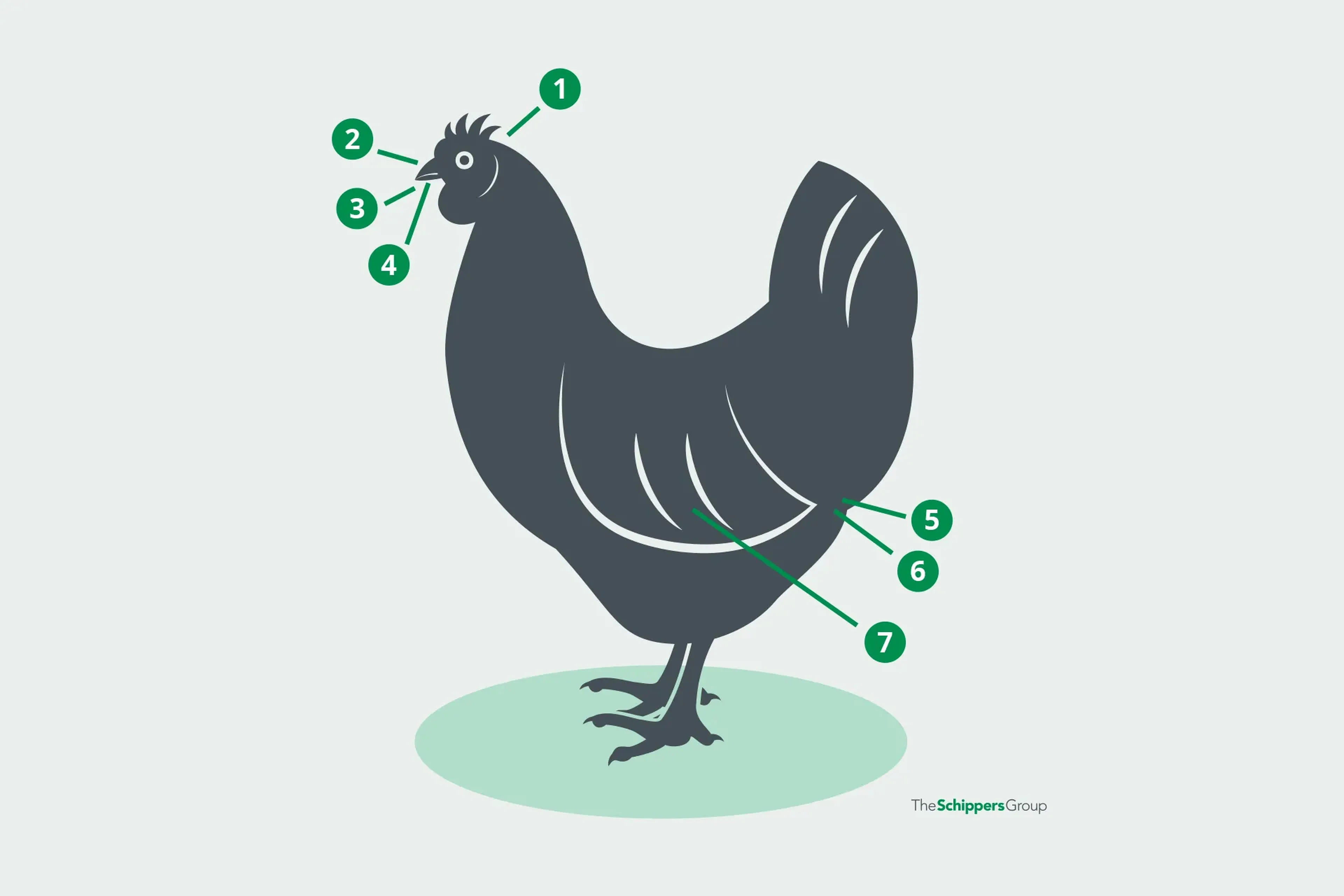
- Swollen face
- Nasal discharge
- Reduced appetite and water intake
- Problems with breathing
- Drastic drop in egg production
- Diarrhea
- Body weight loss
The 3 steps to preventing Infectious Coryza
Since there is no effective treatment for advanced cases, prevention is the best strategy. Here’s how:
Biosecurity
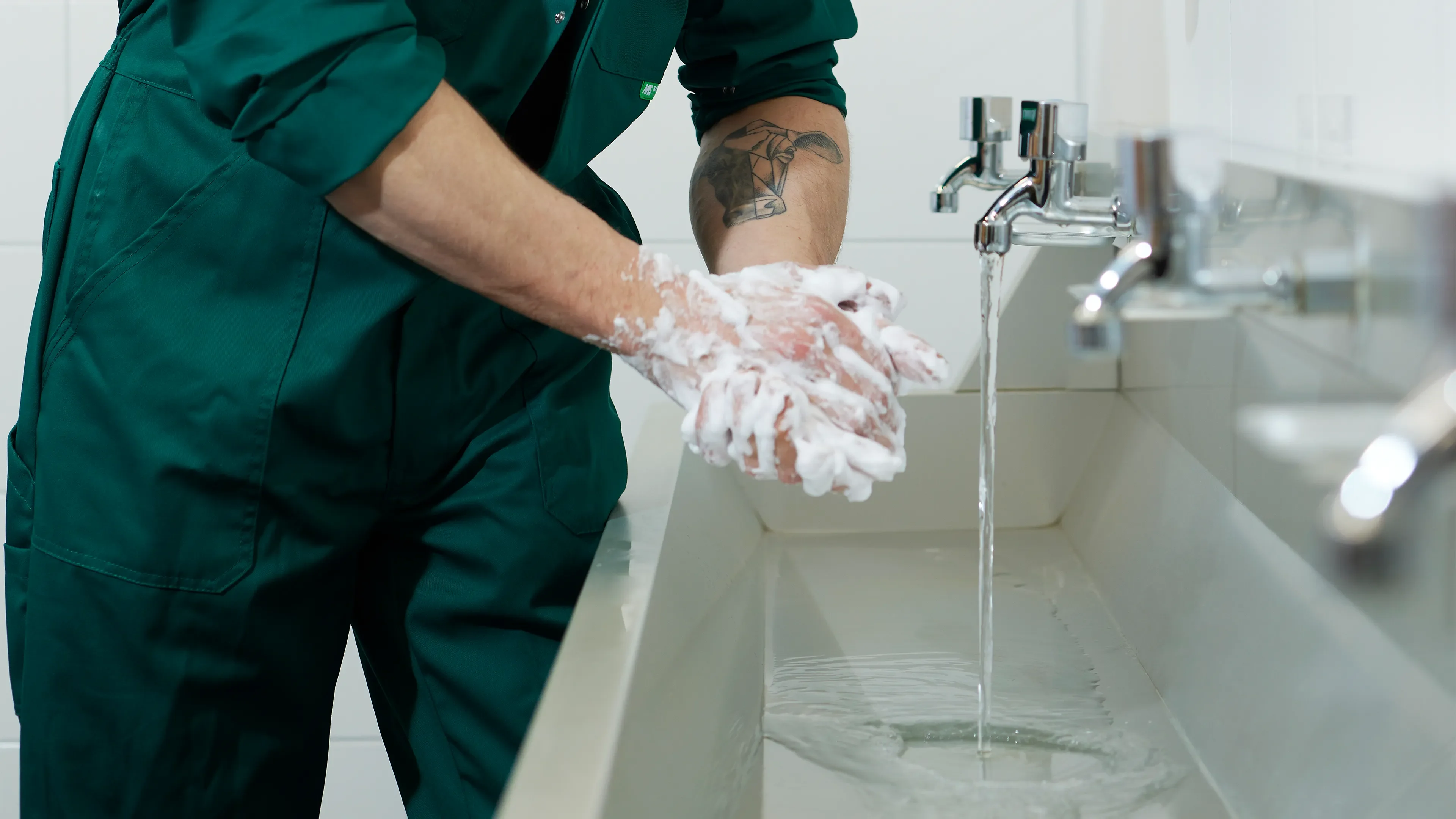
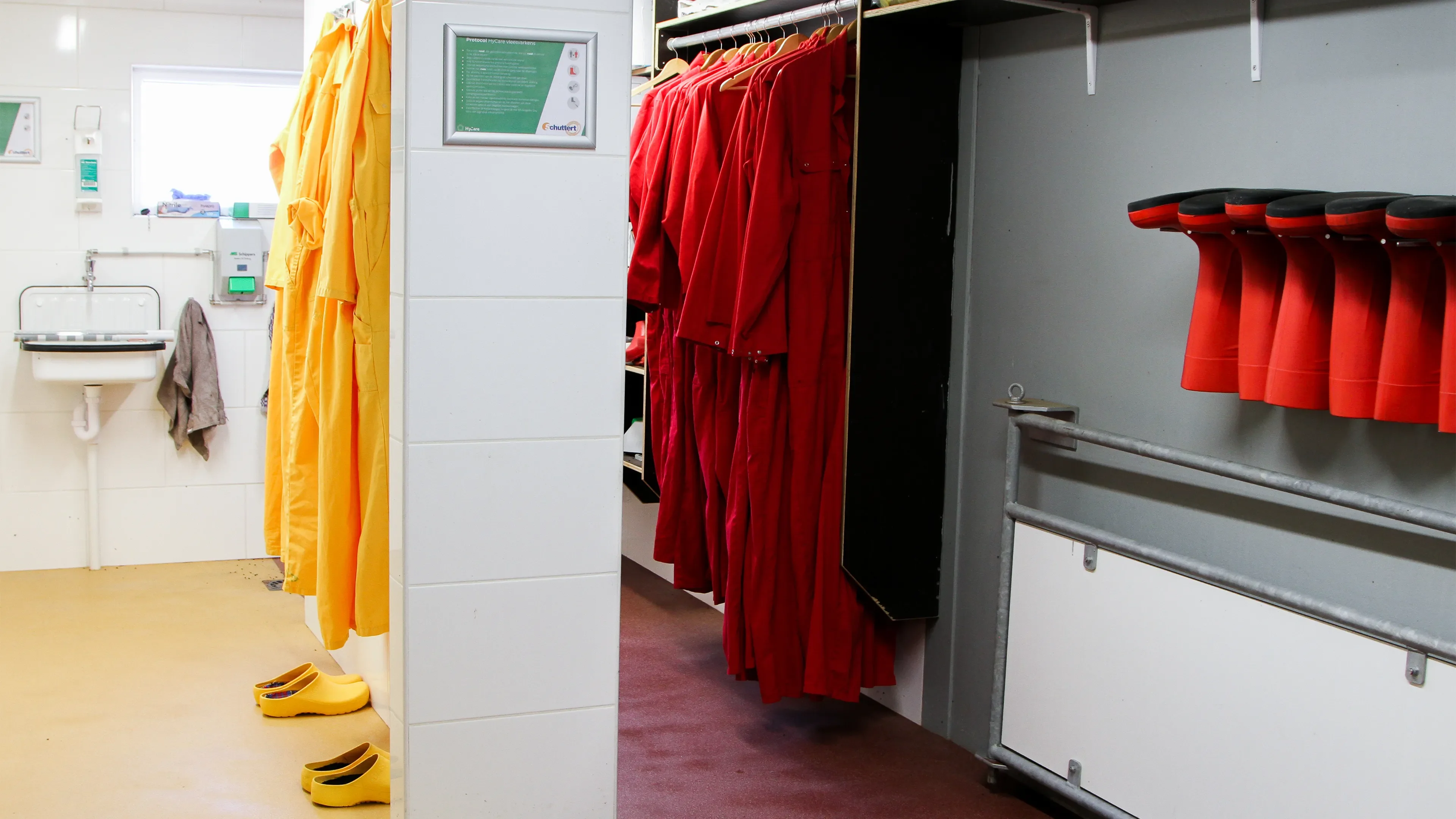
Limit farm access and keep visitor records. Disinfect boots, clothing, hands and equipment. Ensure thorough shoe disinfection with MS MegaDes Kiemkill to minimize the risk of contamination.