Protect your poultry farm against Marek's Disease
Marek's Disease remains a major issue for poultry producers across Canada and globally, given its severe impact on flock health and overall yield. This condition stems from a highly contagious herpesvirus. Fortunately, by utilizing the proper strategies and management tools, Marek's Disease can be successfully controlled to protect your flock's well-being and productivity.

What causes Marek's Disease?
The Marek's disease virus (MDV) is a herpesvirus recognized for its ability to trigger tumours and cause paralysis in infected birds. While young birds are especially susceptible, it can affect chickens of any age, representing an ongoing risk to your flock.
How is Marek's Disease transmitted?
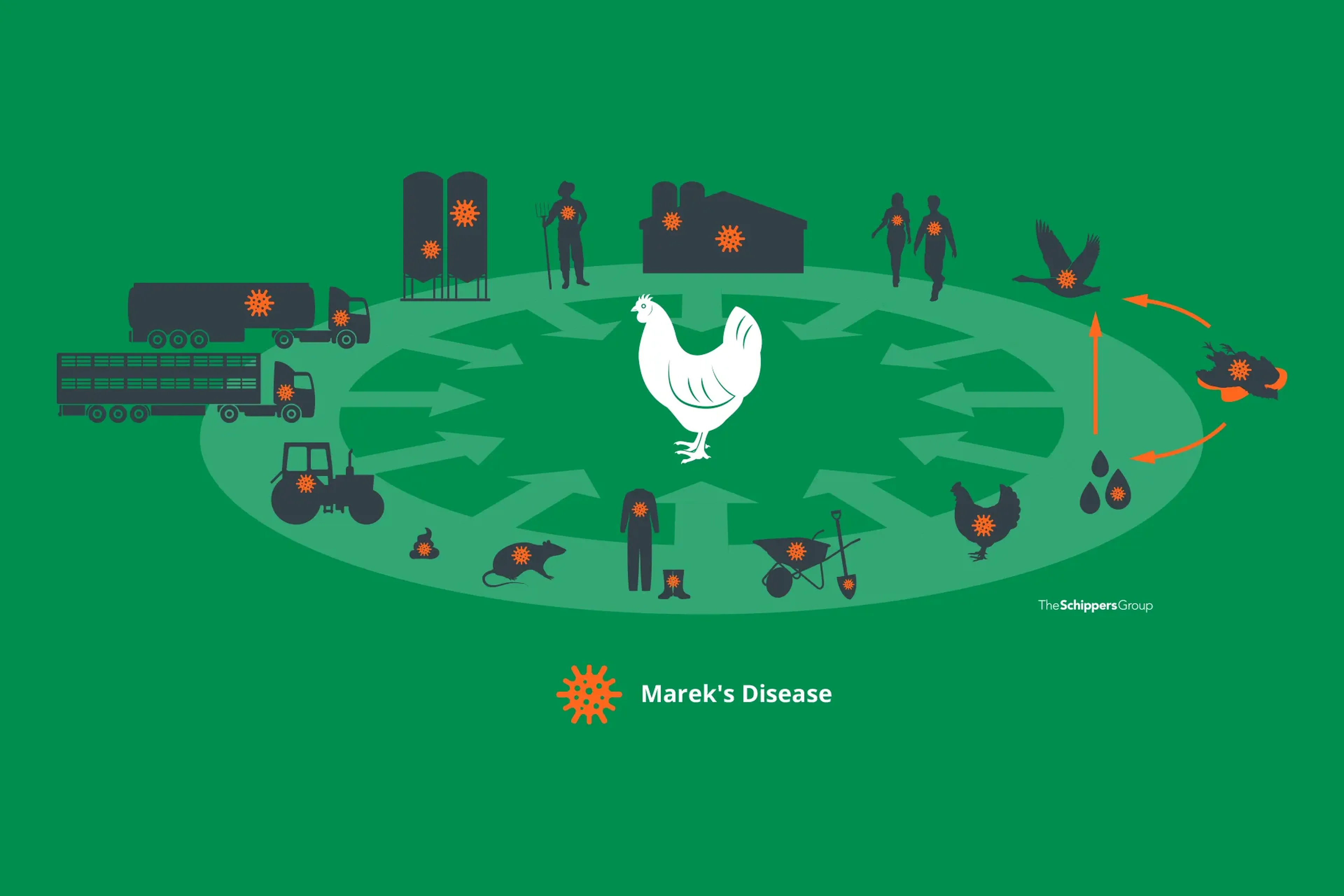
This highly contagious virus can spread through several different routes. While direct bird-to-bird transmission occurs, it is far from the only way the disease moves through a flock.
Marek's disease is easily spread via dust, feathers, and dander shed by infected birds. Pests such as mites, ticks, fleas, and rodents can also act as carriers. Additionally, transport crates and shared equipment used inside the poultry barns can harbour and transmit the virus.
What are the symptoms of Marek's Disease?
A common sign of Marek's disease is leg paralysis, usually seen when a bird has one leg stretched out in front and the other pulled back. Infected birds will often suffer from stunted growth and typically die within a week or two.
Check out the main symptoms to watch for below:
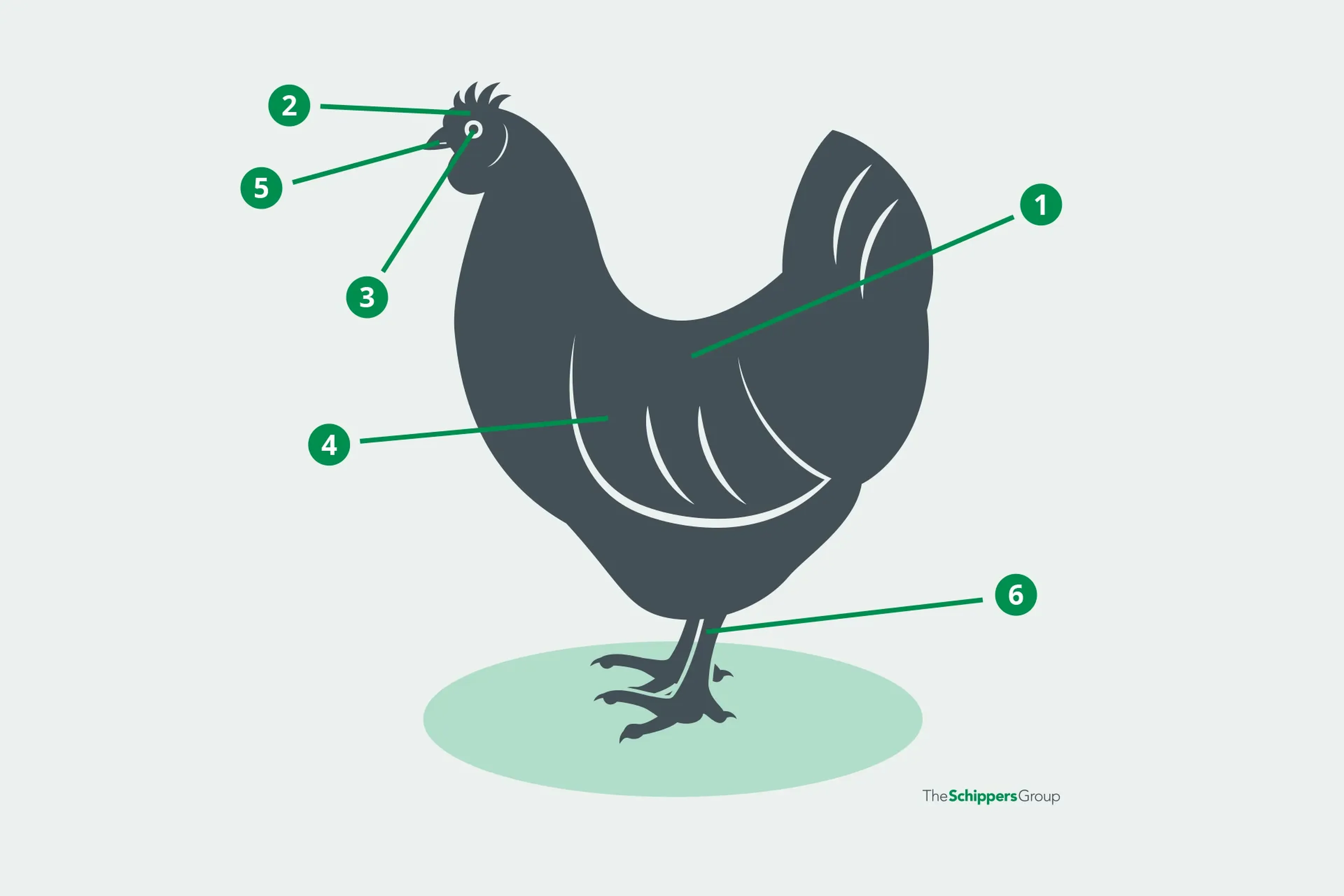
- Tumors
- Neurological signs
- Eye changes (Iris)
- Weight loss / poor growth
- Respiratory issues
- Paralysis

How can you protect your flock from Marek's Disease?
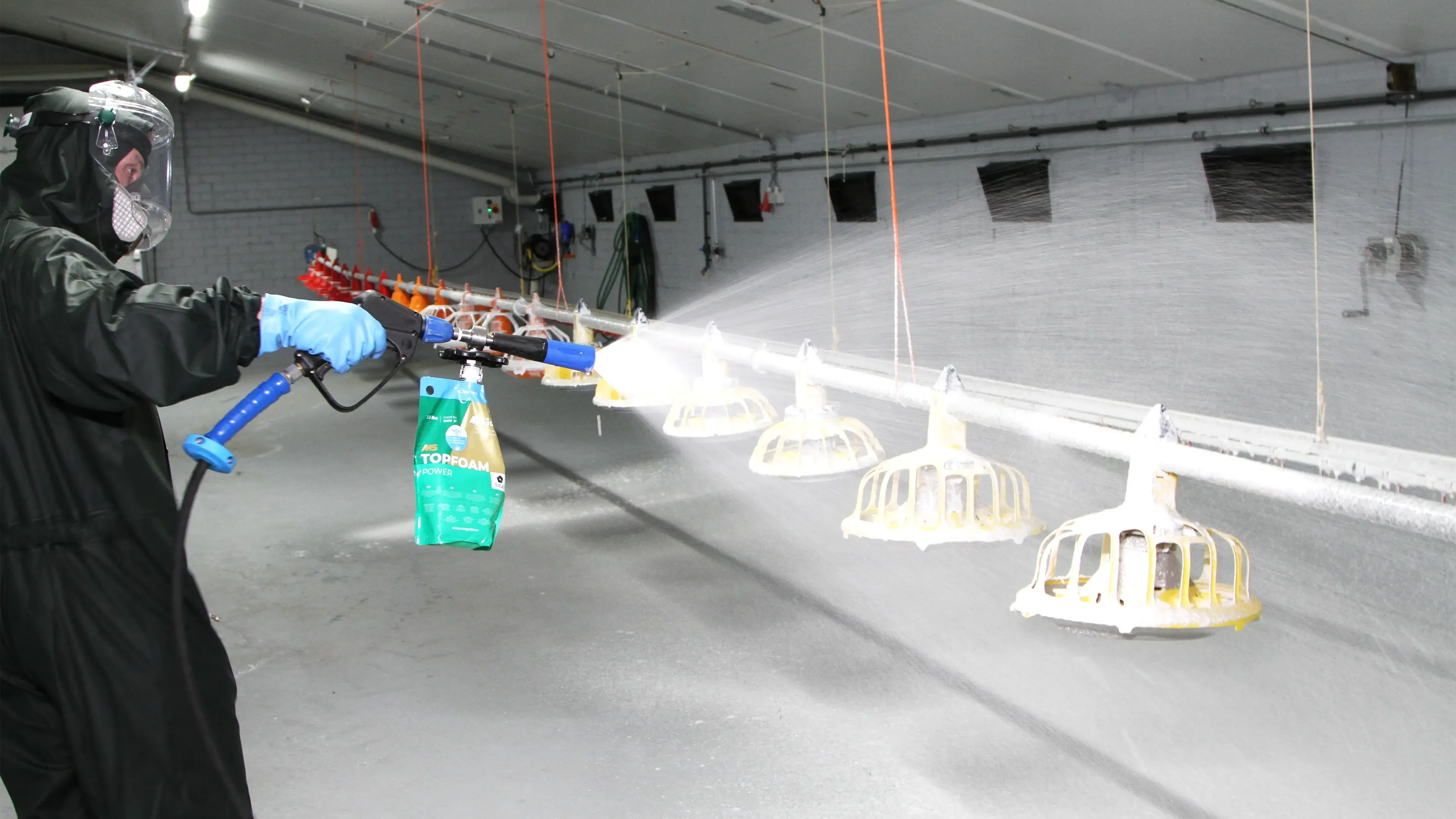
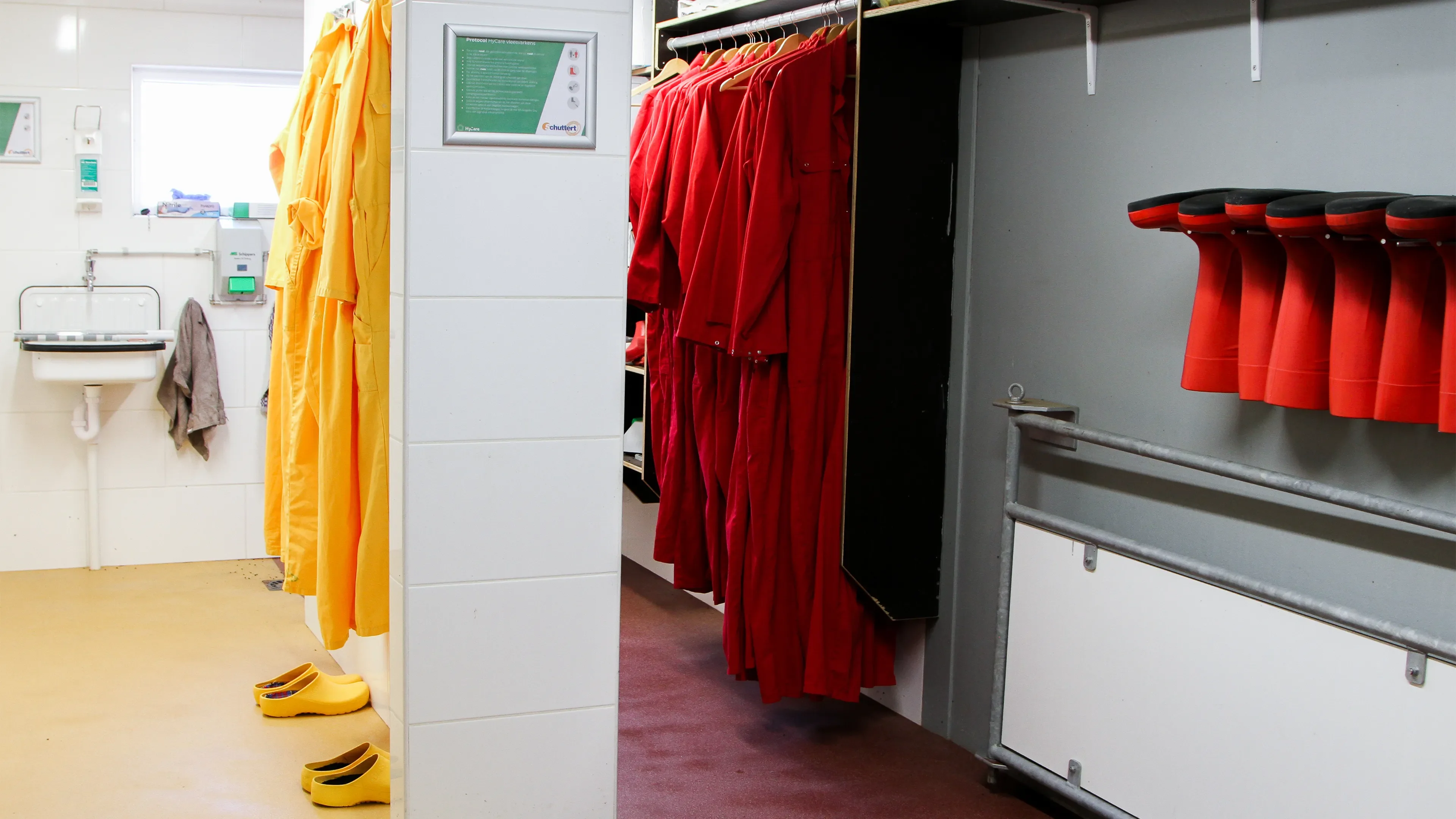
Marek's disease has no cure. Once a bird gets it, they carry the virus for life. Because of this, your main focus has to be on prevention through vaccines and solid biosecurity. You need to tightly control who comes onto the farm, disinfect boots and vehicles, and keep pests like wild birds, rodents, and bugs out. It also means keeping your barns clean with strict washing and disinfecting routines.
Good biosecurity is your best bet for stopping the spread, especially if the virus is already common in your area.
The 5 steps to prevent Marek's Disease in chickens
Protect your chickens from Marek's Disease by implementing these five biosecurity steps. Your actions can make a difference in their health and well-being.