Protect your pig farm against Clostridium perfringens
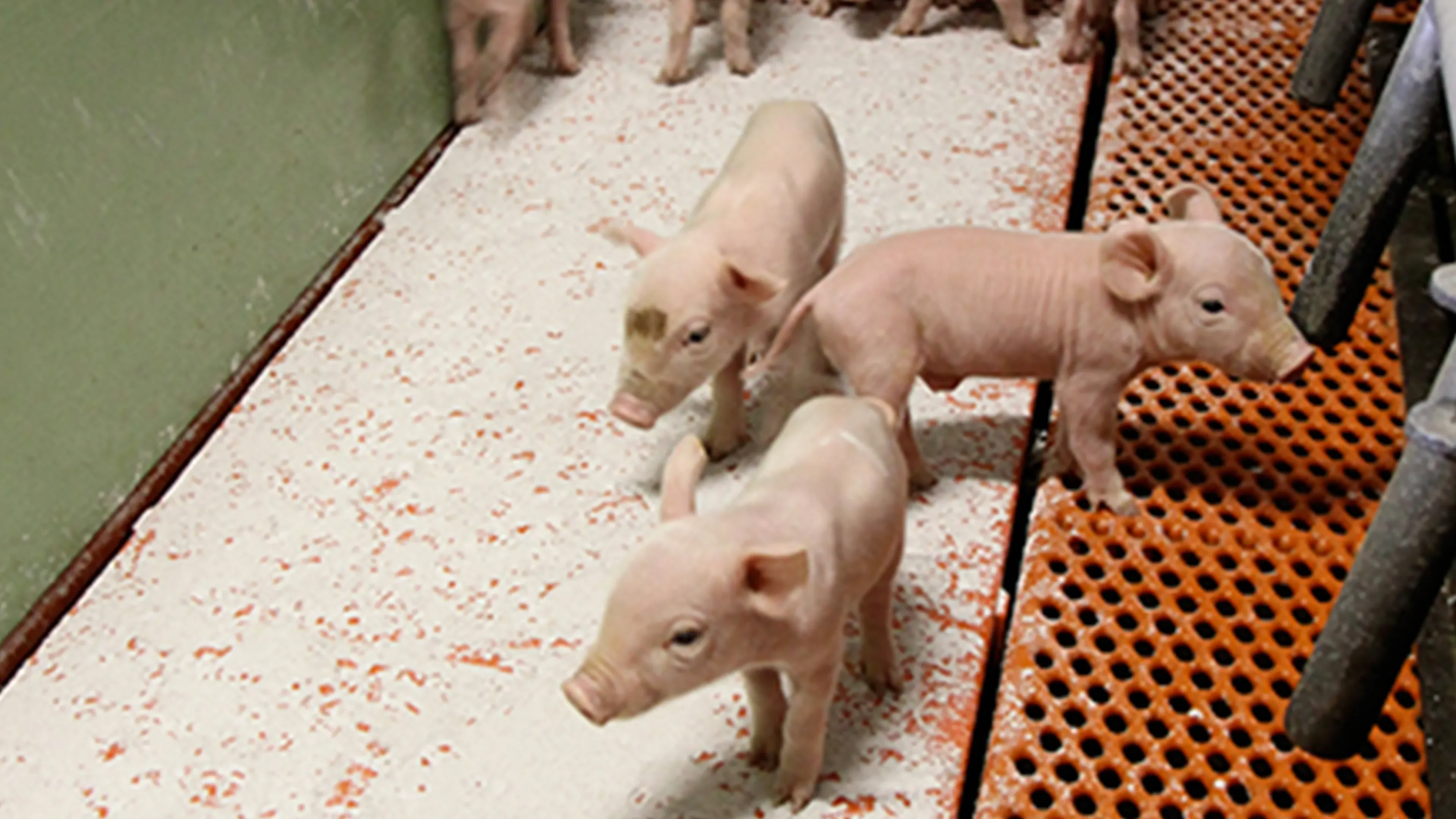
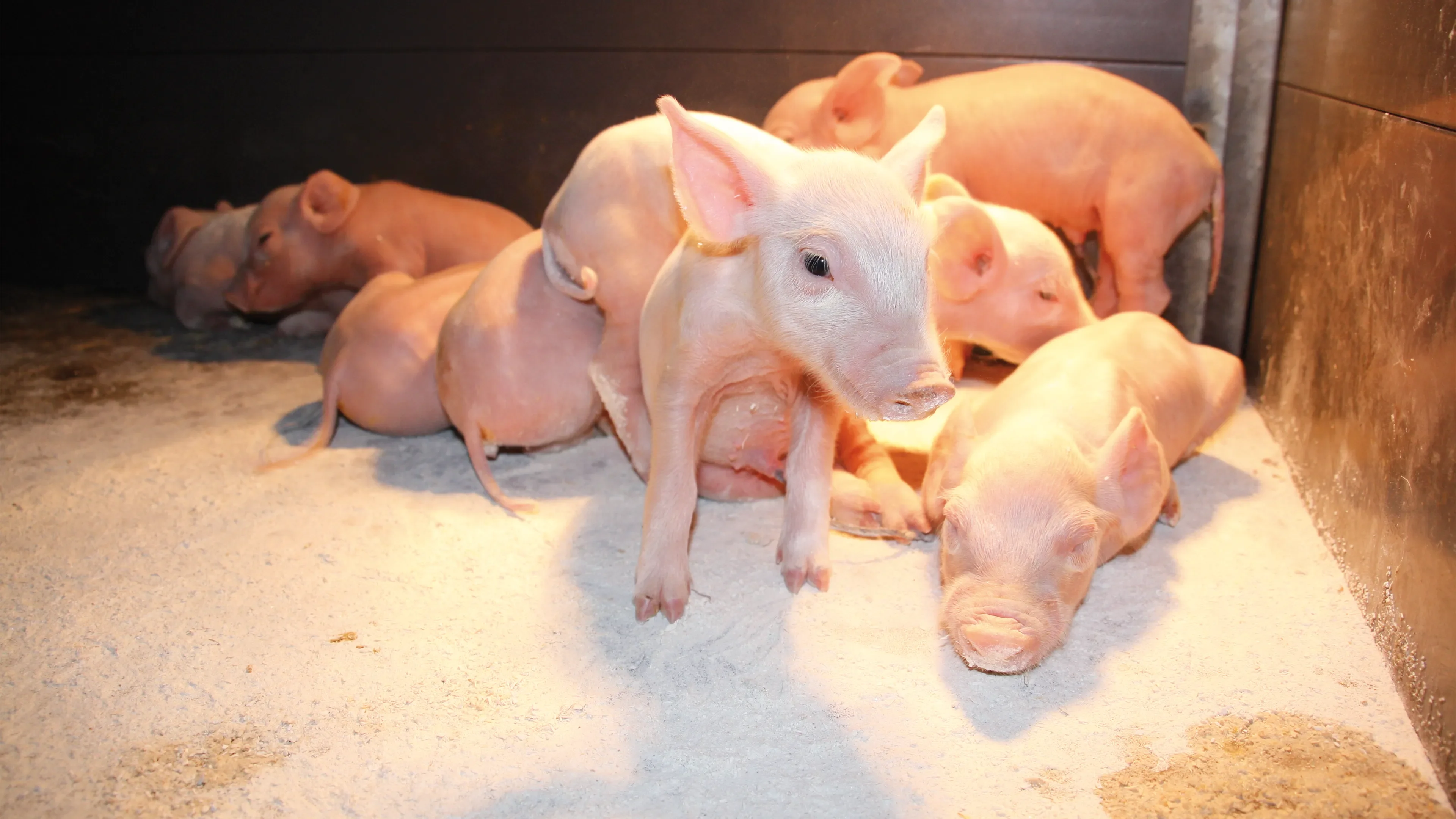
The bacteria Clostridium perfringens usually hits piglets hardest when they are 1 to 5 days old.
When the Type C strain infects a piglet's small intestine, it causes a severe, bloody enteritis that is highly fatal. The Type A strain leads to fewer deaths, but it still takes a heavy toll on the pigs' growth and overall performance.
What causes Clostridium perfringens?
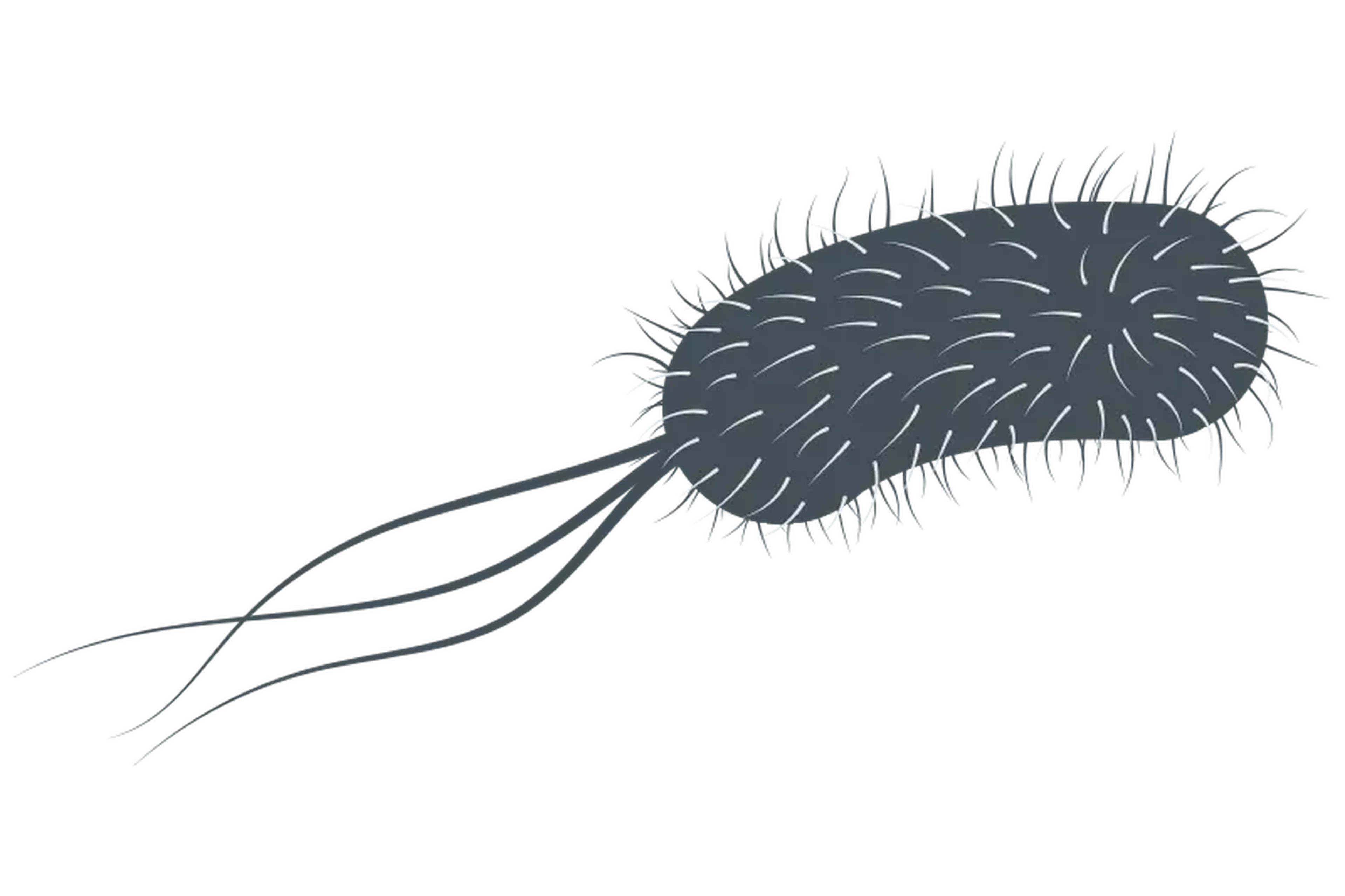
Clostridium perfringens is a spore-forming, rod-shaped bacteria that survives without oxygen. When it comes to your herd, there are two main illnesses tied to this bug:
- Type C (CptC): This strain hits newborns and suckling pigs hard. It leads to a high death rate, often showing up as sudden deaths, bloody scours (diarrhea), or severe gut damage.
- Type A (CptA): This strain also causes scours in young piglets, but the impact is generally milder. Fewer pigs will get sick, and the death rate is much lower.
How does Clostridium perfringens spread?
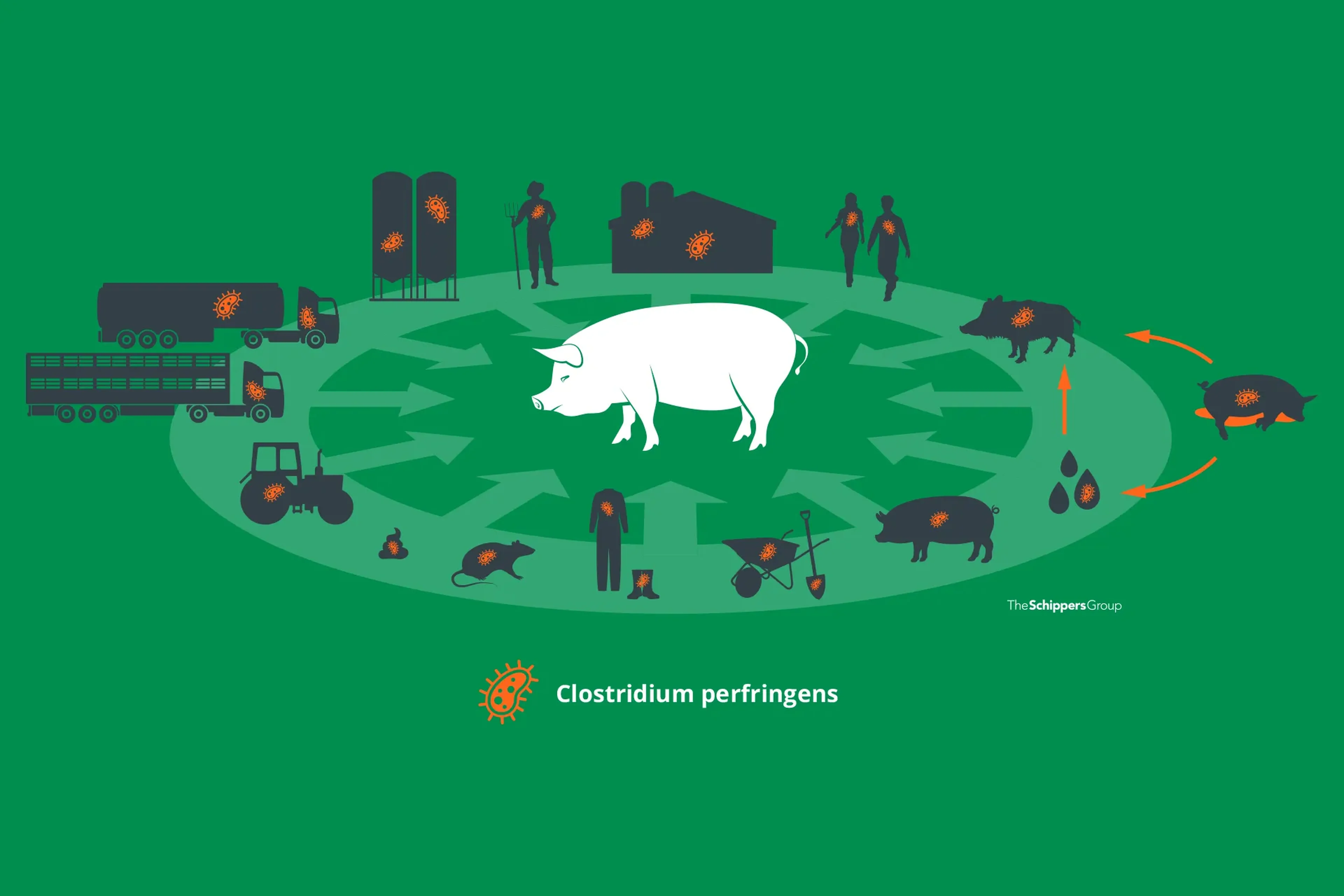
This bacteria usually spreads when pigs swallow infected manure (the fecal-oral route) or have direct contact with sick animals. It can also move indirectly around your farm through:
- Contaminated feed and water
- Environmental exposure
- Contaminated manure
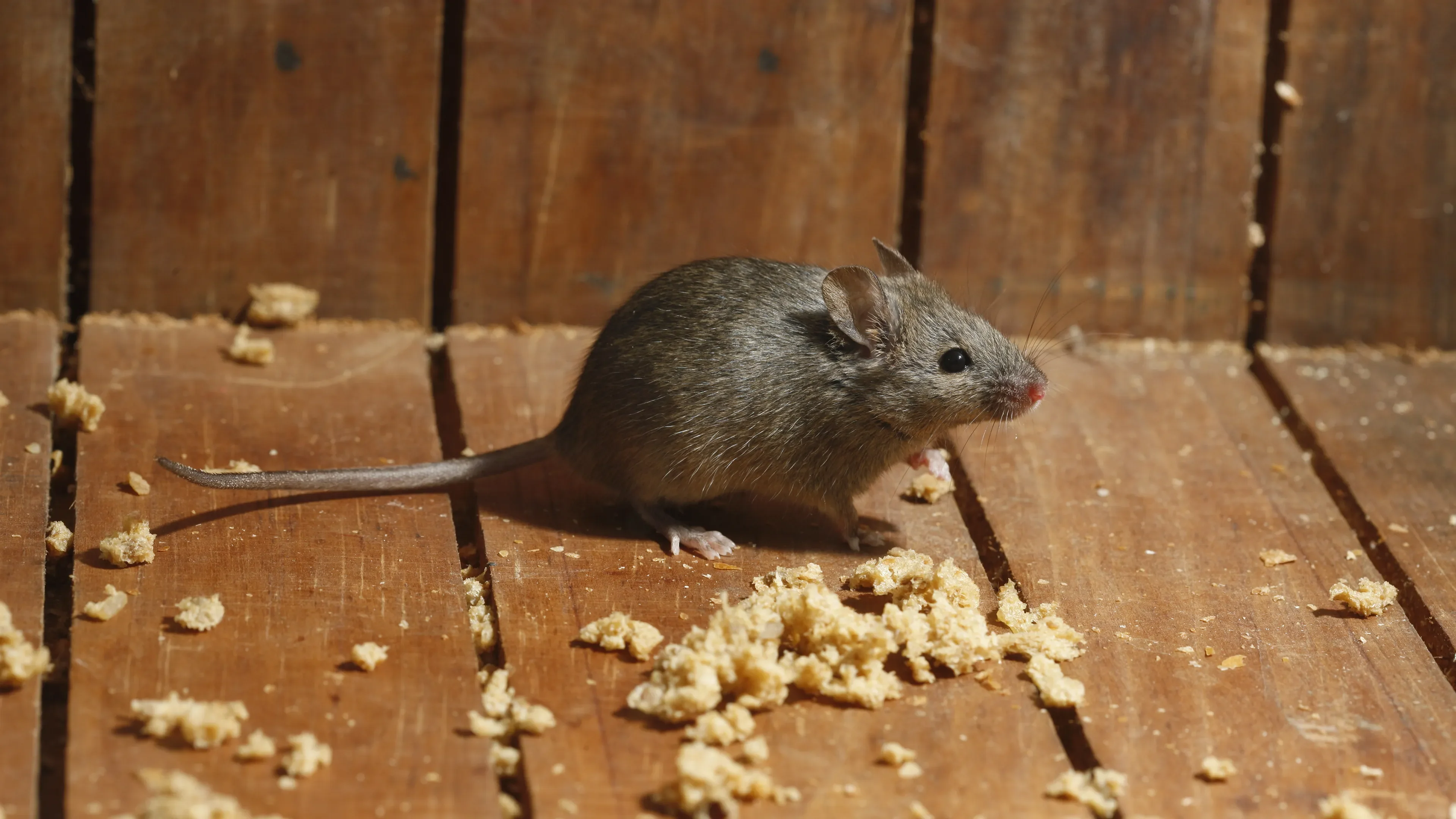
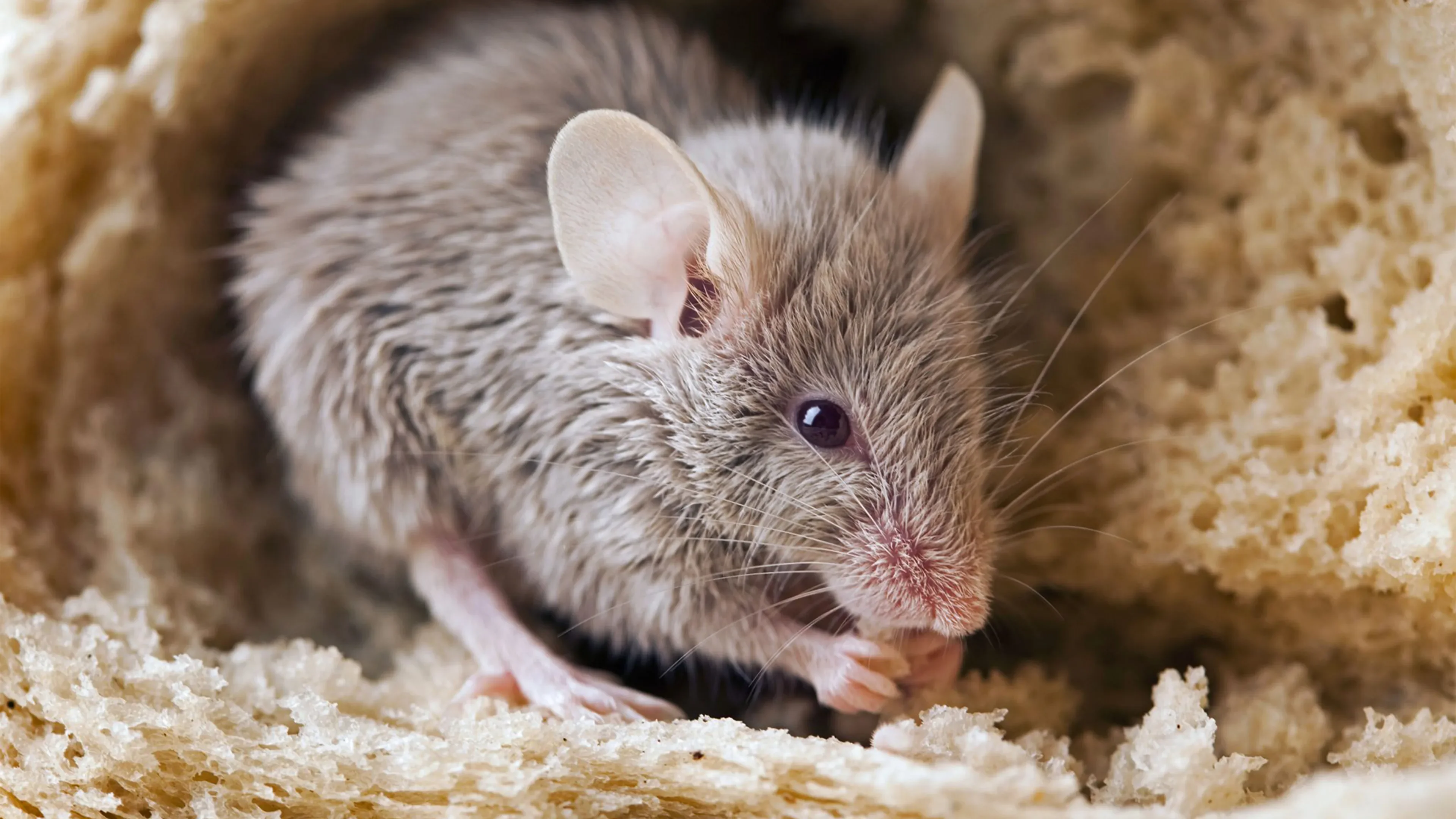
- Rats, mice and insects
What are the symptoms of Clostridium perfringens?
The symptoms caused by C. perfringens will look different depending on whether you are dealing with Type A or Type C. How sick the pigs get also comes down to how much bacteria they swallowed, how aggressive the strain is, and how much protection they received from the sow's colostrum. When a Type C outbreak happens, it usually strikes fast and hard, mostly affecting piglets that are less than a week old.
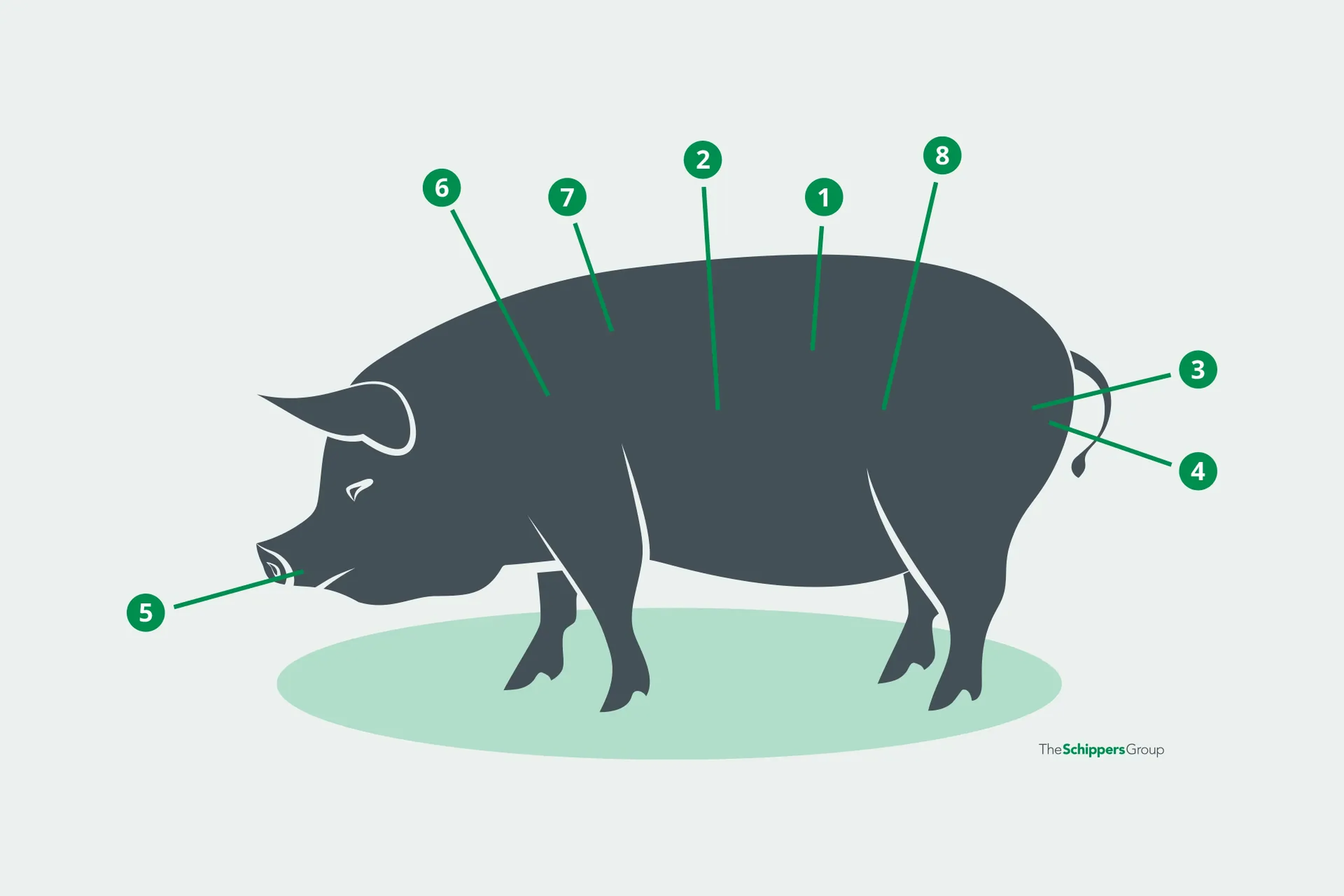
- Hemorrhagic enteritis (type C)
- Enteritis (type A)
- Bloody diarrhea (type C)
- Diarrhea, pasty, yellow (type A)
- Reduced feed intake (type A & C)
- Abdominal pain (type A & C)
- Dehydration (type A & C)
- Sudden Death (type C)

How do you protect your pigs from Clostridium perfringens?
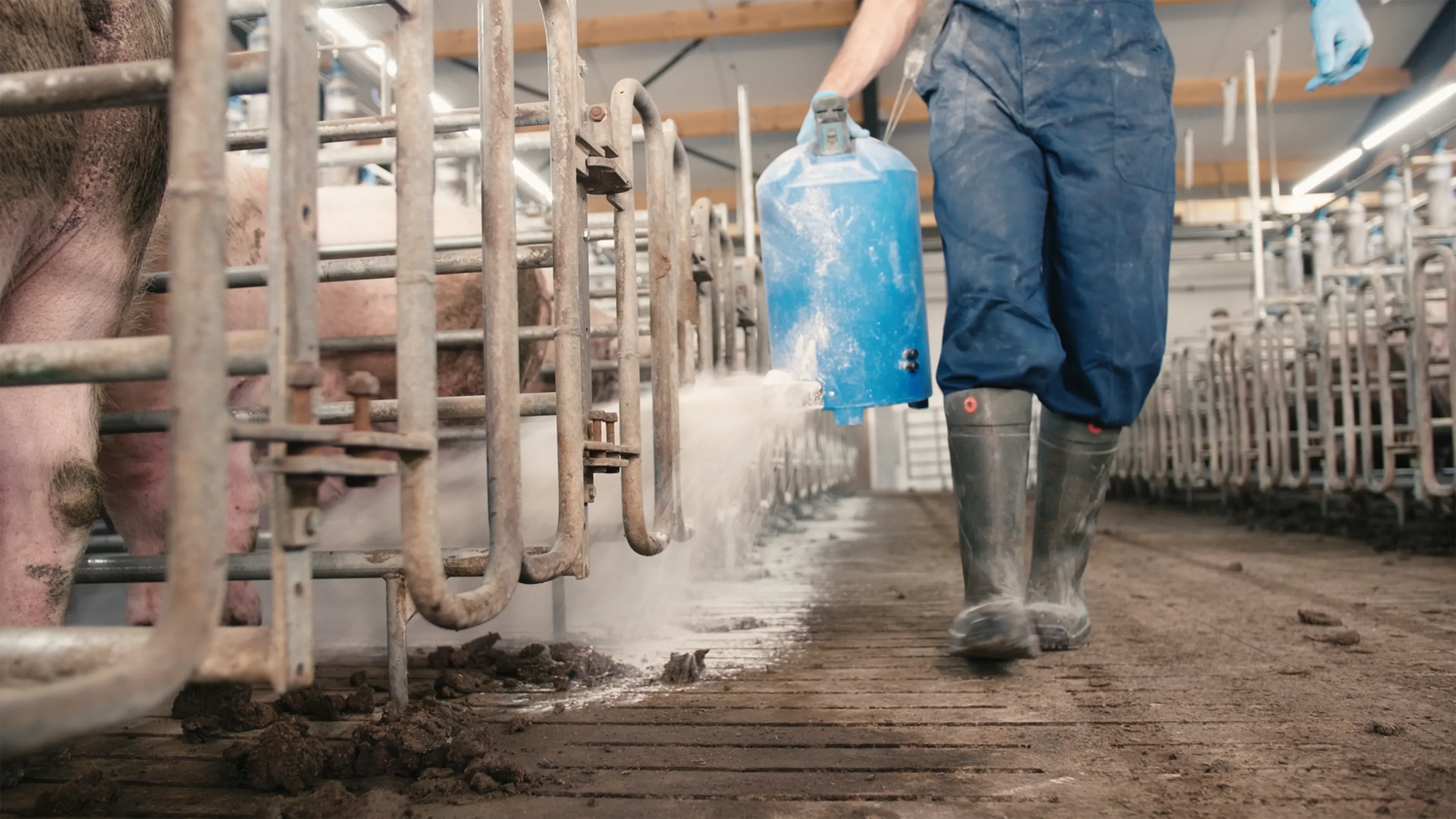
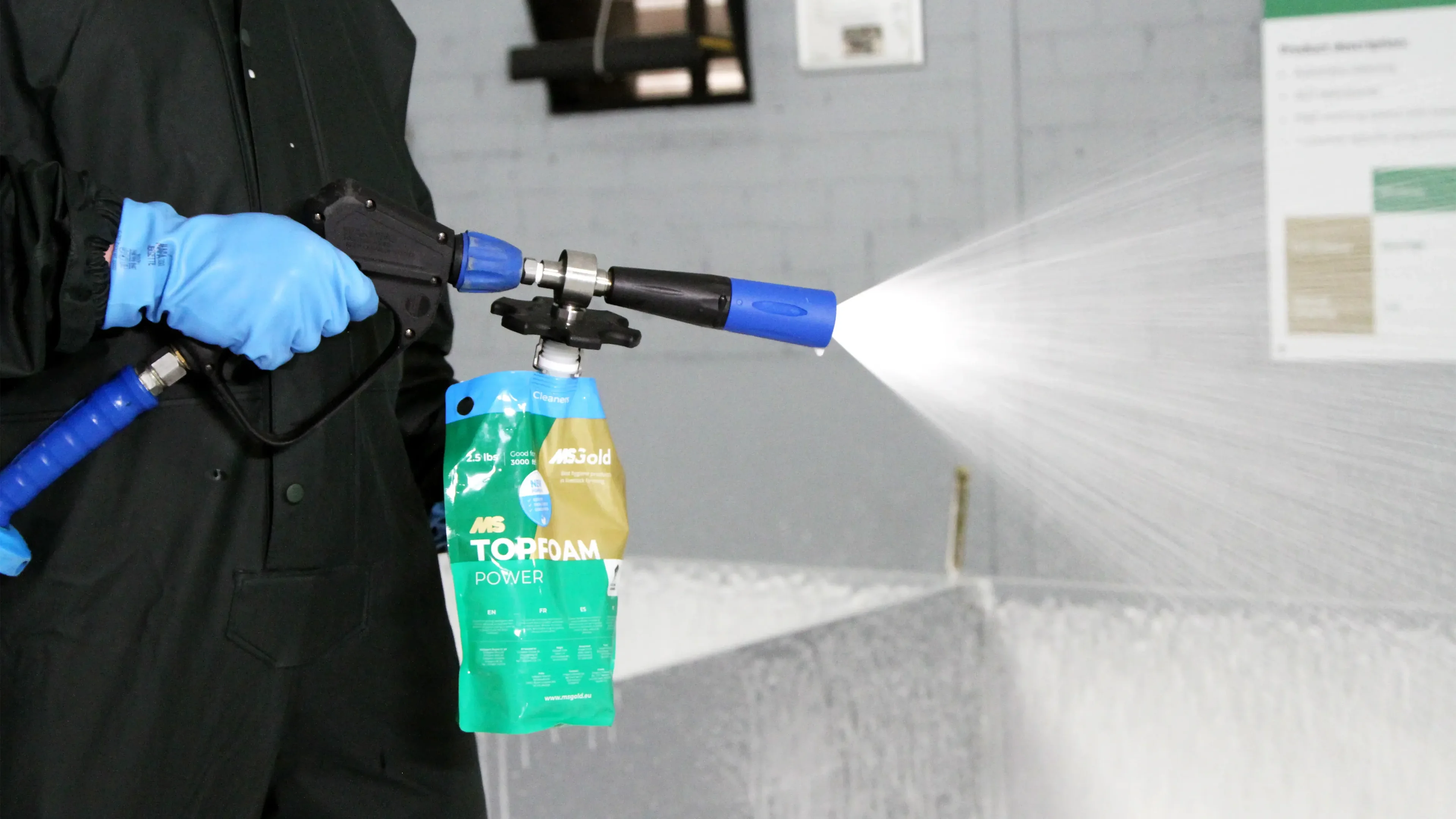
Keeping Clostridium perfringens Type A and C out of your barn takes a solid game plan. You can lower the risk of infection by combining the right vaccines with strict biosecurity, thorough barn hygiene, and good everyday herd management. It is always a good idea to work with your herd vet and a biosecurity specialist to build a prevention plan that fits the specific needs of your farm.
The 6 steps to prevent clostridium in pigs
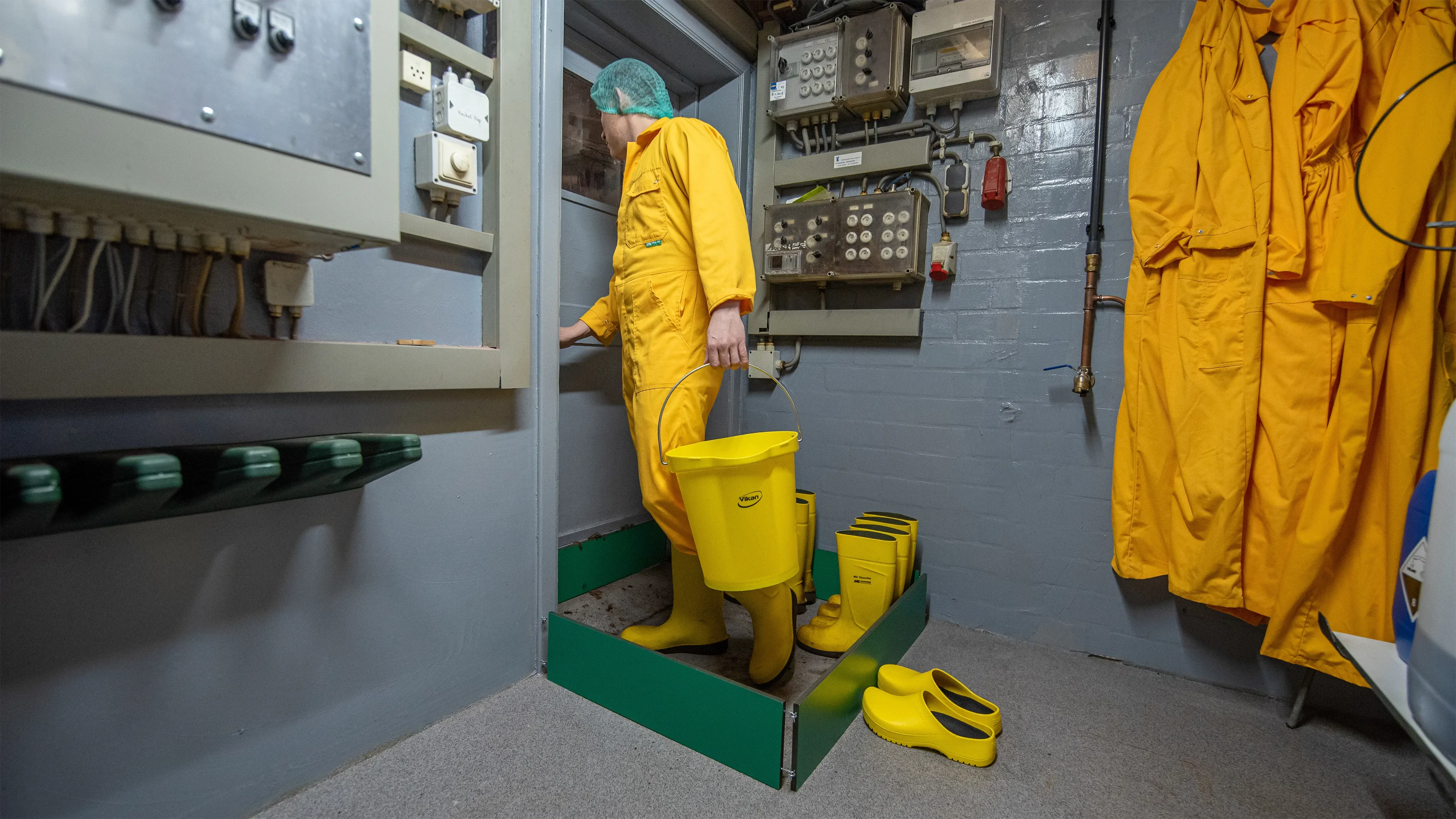
By taking these measures seriously and applying them consistently, you can maximize the safety of your pig farm and significantly reduce the chances of clostridium entering and spreading.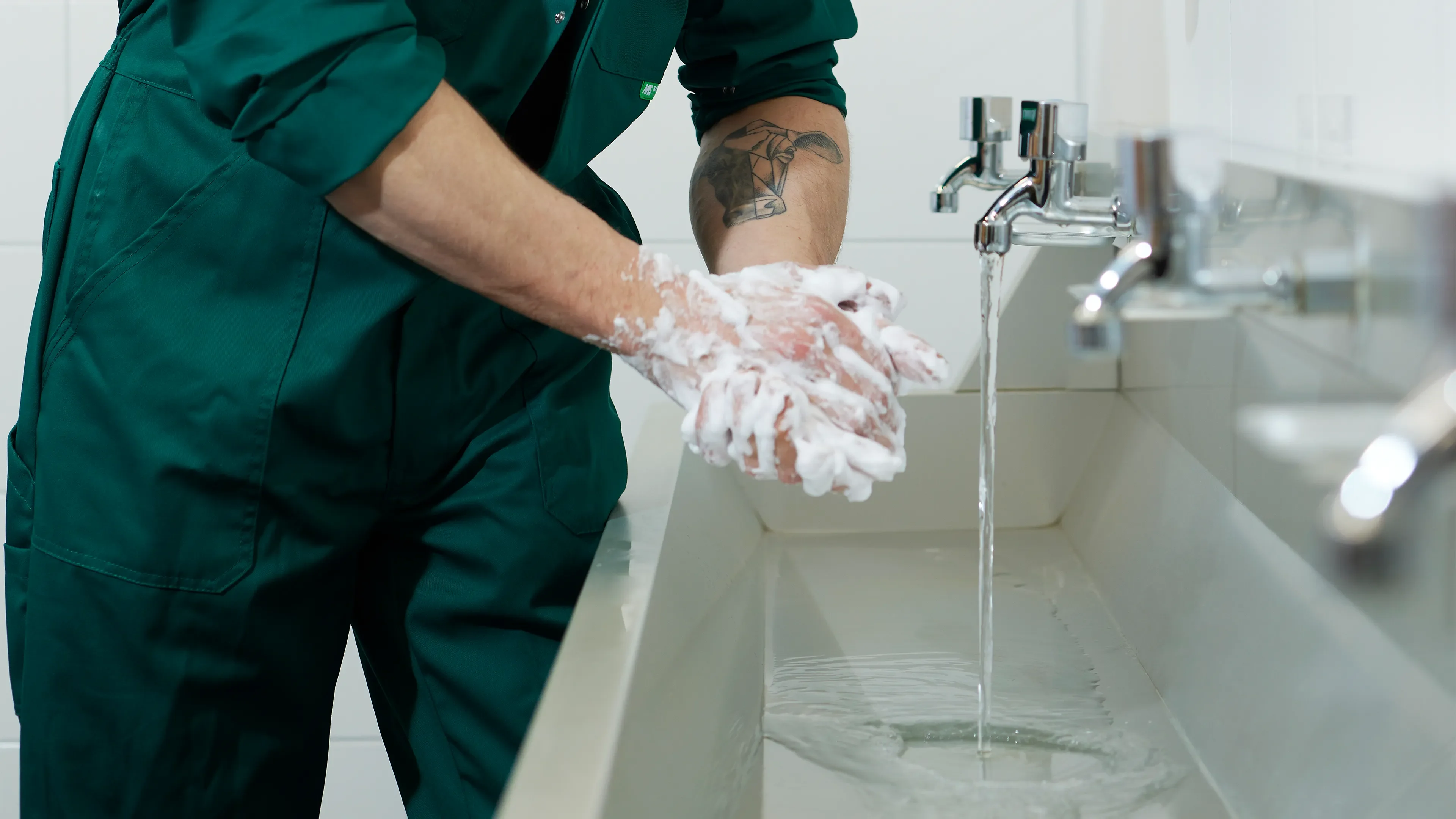
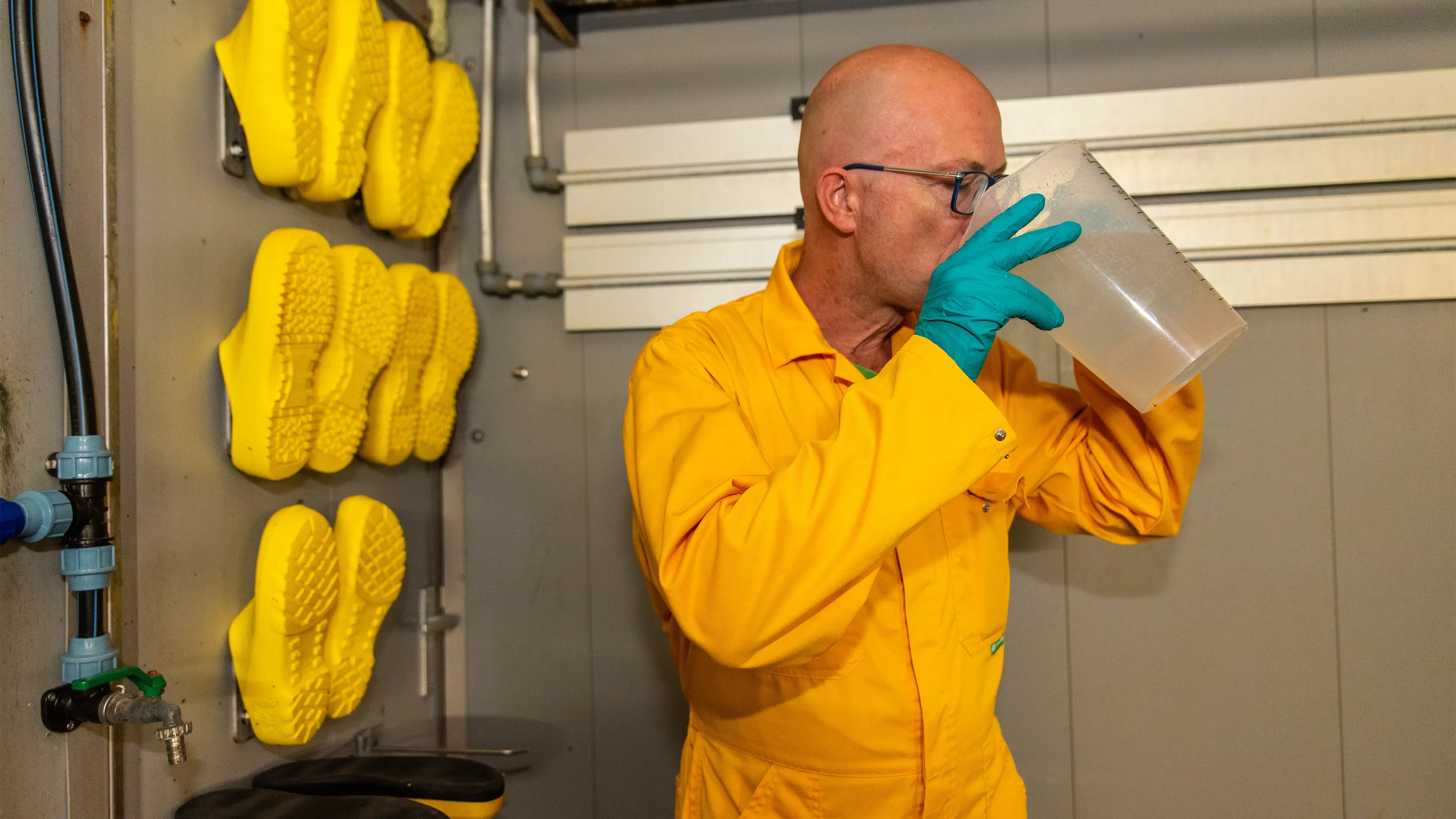
Clean your water systems
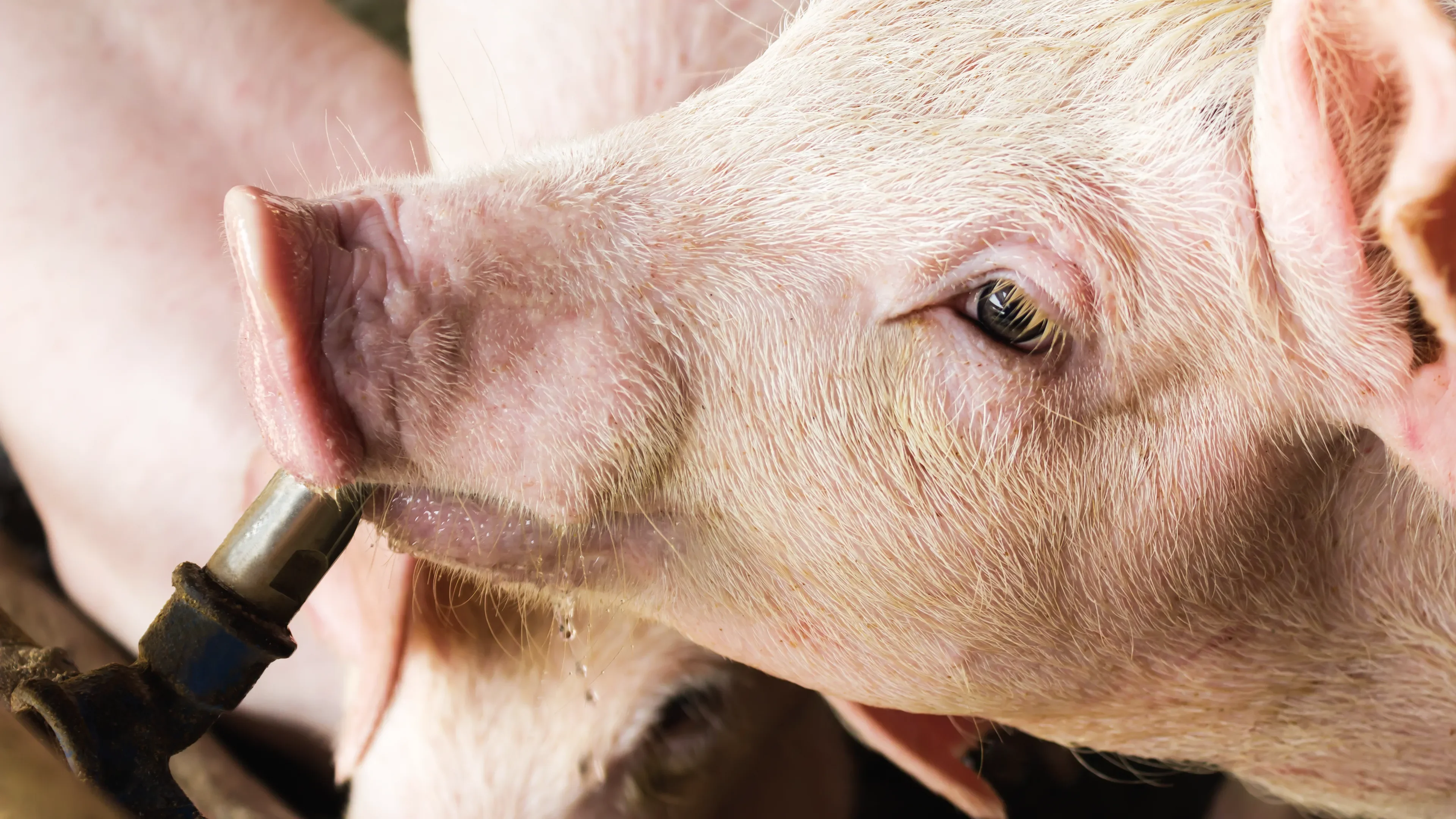
We all know that healthy pigs make for happy farmers, and one of the key ingredients for success is clean, high-quality drinking water. Hydrated pigs have a strengthened immune system, better equipped to ward off disease. Clean water protects the health of your pigs, resulting in fewer vet visits and less worry.